Bargains! PROMOTIONS


William Rankin is a historian of science at Yale University, where he specializes in the history of mapping and the geographic sciences. Born and raised outside Chicago, he originally trained as an architect before receiving a dual PhD in the history of science and architecture from Harvard. In addition to his work as a historian, he is also an award-winning cartographer, and his maps - available at www.radicalcartography.net - have appeared in numerous books, magazines, and exhibits around the world. His work has been published in The Washington Post, Le Monde, The Economist, The Atlantic, Foreign Policy, Slate and Vox.
This striking study . . . lavishly illustrated . . . stuns * Publishers Weekly * Edifying . . . An in-depth, revisionist plunge into the extraordinary world of maps * Kirkus Reviews * This is it: the full download from a true genius of cartography. Radical Cartography will make you see maps and, indeed, your place on the planet, with fresh eyes -- Daniel Immerwahr, author of <i>How to Hide an Empire</i> A fearless, fascinating examination of how maps shape our worldview. This revolutionary text . . . is essential reading for anyone who’s ever taken a map at face value -- Gareth Cook, Pulitzer Prize-winning journalist and former series editor of <i>Best American Infographics</i> A significant addition to the literature on cartography . . . Readable and engaging -- Johanna Drucker, author of <i>Inventing the Alphabet</i> In Radical Cartography . . . we see mapmaking in all its complexity: messy, necessary, and full of promise -- Susan Schulten, author of <i>A History of America in 100 Maps</i> A groundbreaking and fascinating work that shatters our cartographic illusions about the world . . . Vividly illustrated and elegantly written -- Paul Richardson, author of <i>Myths of Geography</i> As rigorous as it is accessible, Radical Cartography offers a brilliant and imaginative approach to ‘mapping differently.’ In this landmark achievement, William Rankin establishes that mapping can be urgent and compelling -- Michael Ralph, author of <i>Forensics of Capital</i> Since the turn of this computer-generated century, William Rankin has been jolting cartographers out of ruts, inviting them to question defaults and see the world anew. In this essential volume, he gave me a good shake once more -- Oliver Uberti, coauthor and designer of <i>Atlas of the Invisible</i> An impressive guide to how maps can make a difference in how we see the world, Rankin's book will appeal to professional and armchair cartographers alike -- Professor James Cheshire, author of <i>The Library of Lost Maps</i> A must-read for anyone looking at a map occasionally! . . . an important plea for more empathy in cartography -- Sandra Rendgen, author of <i>Information Graphics</i>
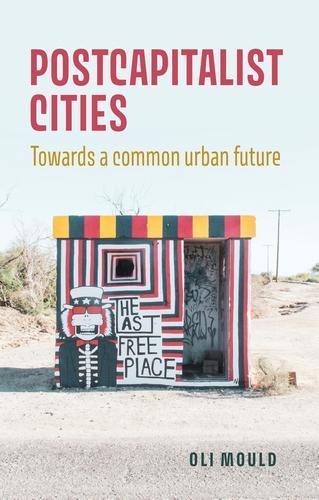
Postcapitalist cities
Towards a common urban future
Paperback
$44.99
Not in-store but you can order this
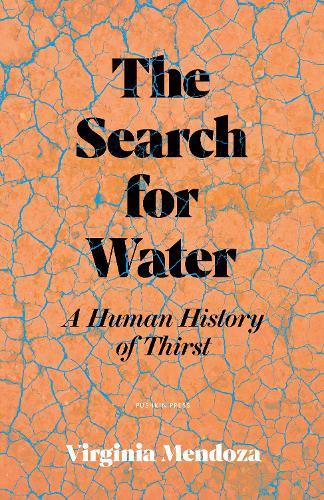
The Search for Water
A Human History of Thirst
Hardback
$55
Not in-store but you can order this
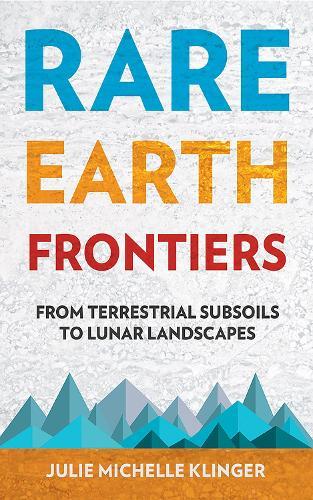
Rare Earth Frontiers
From Terrestrial Subsoils to Lunar...
Paperback
$76.99
Not in-store but you can order this
Pour des territoires urbains compétitifs...
Actes du colloque international...
Paperback
$134.95 $114.44
Not in-store but you can order this
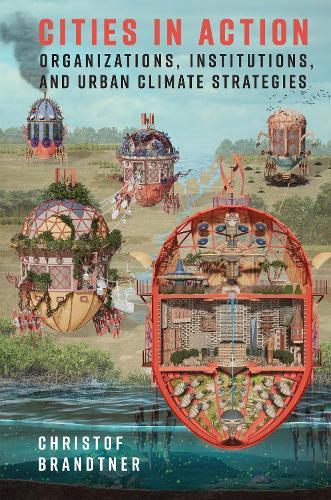
Cities in Action
Organizations, Institutions, and...
Hardback
$232.95
Not in-store but you can order this