Bargains! PROMOTIONS


Dr. Katrien Hertog is a peacebuilding researcher, trainer, and practitioner with 25 years of experience in the academic and non-governmental sector, as well as International Director of Peacebuilding Programs for The International Association for Human Values.
This book powerfully reminds us that sustainable peace is not only built through institutions and policies, but through inner transformation and human connection. I have had the privilege to witness the impact of Dr. Hertog's transformational approach on the ground. Dr. Hertog’s work is a vital contribution to reimagining peacebuilding from the inside out—deeply relevant for leaders, practitioners, and citizens committed to a more just, inclusive, and compassionate world. -- Sanjay Pradhan, President, World Forum for Ethics in Business, Former Vice-President, World Bank Dr. Katrien Hertog’s Psychosocial Peacebuilding is a landmark achievement—an evidence-based, field-tested guide that redefines how we understand and engage the human foundations of peace. The culmination of decades of learning, practice, and research, it transforms psychosocial dimensions from overlooked add-ons into essential pillars of sustainable peacebuilding. With scientific rigor, strategic insight and deep humanit this book is not only timely and visionary—it is a key reference for anyone serious about making peace real, resilient, and lasting. -- Kai Brand-Jacobsen, Peaceworker Katrien Hertog’s book offers valuable insights into micro-level peacebuilding, highlighting for example the transformative power of interventions such as the Art of Living techniques, which are designed to change mindsets, attitudes, and behaviours among individuals and communities affected by conflict. Social scientists, neuroscientists, and psychiatrists have developed numerous models, concepts, and frameworks to describe these processes, as comprehensively discussed in the book. In many cases, initiating peacebuilding is only feasible through micro-level interventions. Once a solid foundation is established, these efforts can expand to address broader, macro-level concerns. -- Daniel Bar-Tal, Social Psychologist, Tel Aviv University At last, we have a comprehensive map for a terrain long overlooked. This book translates the deep, often invisible work of psychosocial transformation into a clear, actionable framework. It will stand alongside the great foundational texts of peace studies for decades to come. -- Emma Seppälä, Yale Faculty and Bestselling Author This valuable book brings to center stage the human dimensions of peacebuilding that have often been backgrounded or forgotten yet are crucial. Humane and practical, it inspires a holistic approach that is highly useful at levels from the family to societal and international levels. -- Mike Wessels, Columbia University, co-author of IASC Guidance on MHPSS and Peacebuilding If peacebuilding were a bridge, the psychosocial dimension would be the steel holding it together. Dr. Hertog’s work shows us exactly how to reinforce that structure—combining rigorous research, vivid examples, and practical tools that can be applied in any context. -- Abdel Fattah Al Habchi, Youth Participant IAHV Peace Project, Lebanon This book very accurately highlights important and not always obvious connections between inner peace within an individual and the peace of the global order. It offers an amazing perspective combining simple life examples and, importantly, straightforward instructions for action, showing a path to global peace consisting of billions of individual paths toward oneself. -- Natalya Govorun – IAHV Trauma Relief participant from Ukraine, neuropsychologist, Red Cross Lithuania
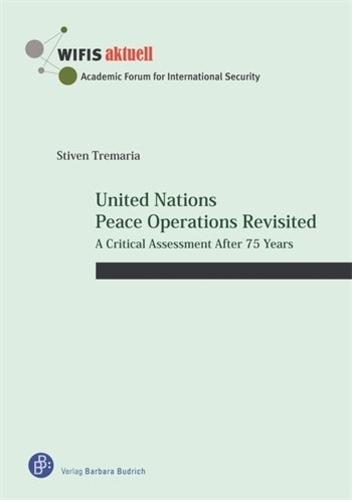
United Nations Peace Operations...
The Case of Haiti
Paperback
$16.95
Not in-store but you can order this
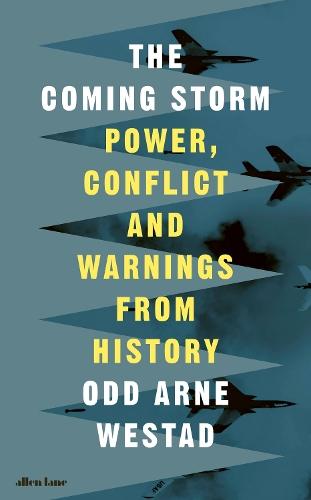
The Coming Storm
Power, Conflict and Warnings from...
Hardback
$49.99
Not in-store but you can order this
Martialling Peace
How the Peacekeeping Myth Legitimises...
Paperback
$44.99
Not in-store but you can order this
Constructive Conflict Pedagogies...
Teaching Strategies from around...
Hardback
$180
Not in-store but you can order this
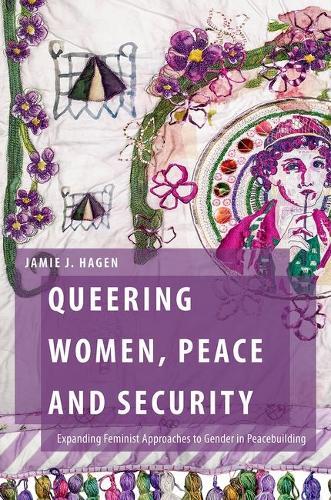
Queering Women, Peace and Security...
Expanding Feminist Approaches to...
Hardback
$183.95
Not in-store but you can order this
Securing Peace in Angola and Mozambique...
The Importance of Specificity in...
Paperback
$59.99
Not in-store but you can order this