PRIZES to win! PROMOTIONS


Rosemary Callard-Szulgit, EdD, is an adjunct professor and the current field coordinator for gifted studies in the graduate online gifted certification program at the University at Buffalo. She directs the consulting firm Partners-for-Excellence (www.partners-for-excellence.com) in Rochester, New York and consults both nationally and internationally with gifted children, their parents, and their school districts.
Callard-Szulgit does an excellent job of differentiating between perfectionism and aspiring to excellence. CHOICE In this positive, practical, and inclusive book, Rosemary Callard-Szulgit distinguishes between the pursuit of excellence, which is healthy and productive, and perfectionism, which she defines as negative and problematic. She writes about the ways highly capable learners can feel so pushed to meet their goals that they can,t acknowledge their limitations, the ways they become incapacitated by anything less than perfection, and therefore learn to avoid challenge and risk. Acknowledging her own lifelong battle with perfectionism, she writes, 'Perfectionism hurts! It not only hurts physically and emotionally, it can interfere with relationships., Based on decades of experience with gifted learners, Dr. Callard-Szulgit provides proven strategies for helping young people (and their parents!) rework perfectionism into the pursuit of excellence, and reassures parents that 'with proper counseling, perfectionists can be helped to lead a more balanced and realistic lifestyle., -- Dona Matthews, author, Being Smart about Gifted Children Dr. Rosemary Callard-Szulgit has succeeded in creating a resource that is rich with anecdotes and true-to-life experiences while also informed by research and theory. Rosemary acknowledges the often-debilitating stresses and challenges of perfectionism but more importantly guides readers in constructive directions that can lead to effective problem solving and the pursuit of excellence. -- Donald J. Treffinger, Center for Creative Learning, Sarasota, Florida; former editor of the Gifted Child Quarterly and Parenting for High Potential
Designing Services and Programs...
A Guidebook for Gifted Education...
Paperback
$128.95 $103.49
Not in-store but you can order this
Bright Not Broken
Gifted Kids, ADHD, and Autism
Hardback
$45.95
Not in-store but you can order this
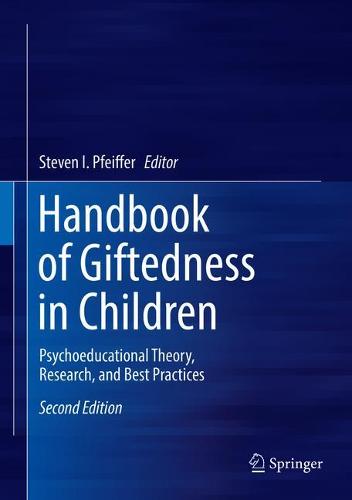
Handbook of Giftedness in Children...
Psychoeducational Theory, Research,...
Hardback
$728.95 $583.25
Not in-store but you can order this
Teaching Advanced Learners in the...
Doing More With Less!
Paperback
$99.95 $85.09
Not in-store but you can order this
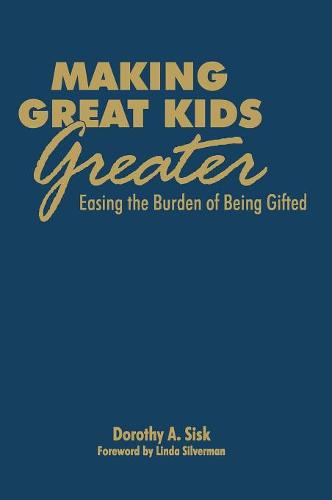
Making Great Kids Greater
Easing the Burden of Being Gifted...
Hardback
$199.95 $160.16
Not in-store but you can order this