PRIZES to win! PROMOTIONS


Peter Taylor is Professor of Geography at Loughborough University.
""This book reaches across disciplines, across countries and across ideologies, developing along the way a stimulating and original perspective on the making of the modern world."" Nigel Thrift, University of Bristol ""Modernities is short, sensible, clear and reflective. It raises in an intelligent way the questions with which we all must deal. It is a book well worth reading."" Immanuel Wallerstein, Binghamton University ""Modernities is to be recommended. It is highly accessible and presents complex ideas in a clear and entertaining fashion. It will interest proponents and opponents of modern thought, and would find much favour amongst sociologists, geographers and students of the social sciences more generally. The book highlights the continued importance of geographical approaches to the study of the rich and varied histories and geographies of modernity.""Mark Banks, Manchester Metropolitan University, Sociological Research Online
Pieces of London
A Hidden-Location Puzzle with 20...
Mixed media product
$35
Not in-store but you can order this
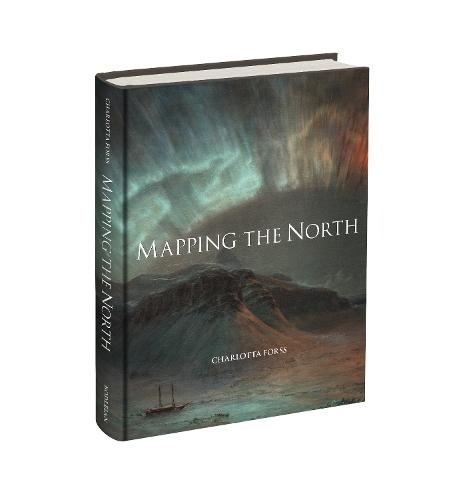
Mapping the North
Myth, Exploration, Encounter
Hardback
$50
Not in-store but you can order this
The Forest Guide
Scotland: Copses, Woods and Forests...
Paperback
$49.99
Not in-store but you can order this
Mapping the Holy Land
An Illustrated Atlas
Hardback
$62.99
Not in-store but you can order this