PRIZES to win! PROMOTIONS


Howard Armstrong has been researching micropalaeontology for twenty years and has published extensively on applied micropalaeontology, numerical biostratigraphy, conodont palaeobiology and dispersal biogeography. His research currently focuses on environmental and biological patterns and processes associated with Palaeozoic glaciations. He is Senior Lecturer in Micropalaeontology at the University of Durham. Martin Brasier began research as a marine biologist aboard HMS Fox in 1970, mapping the microbial ecology of Caribbean reefs and algal mats. The author is well known for the first edition of Microfossils and for his work on early biosphere evolution, integrating microfossils, biogeochemistry and chemostratigraphy from the earliest signs of life in the Archaean through to the Cambrian explosion of multicellular forms. He maintains a special interest in the metabolism and evolution of bacterial and protist fossil groups, and has worked with NASA on the protocols for recognition of the earliest life on Earth and beyond. He is currently Professor of Palaeobiology at the University of Oxford.
If I were a student once again starting out in my micropalaeontological career, this would have to be on my shopping list...It is books like this that will hopefully catch the interest of undergraduates and persuade them to continue within the field and regenerate our ageing skills pool. (Newsletter of Micropalaeontology, September 2005) Overall, I found the second edition of Microfossils to be an excellent book and one I highly recommend...[it] will make an excellent text for an introductory course in micropaleontology, or as a supplement to an invertebrate paleontology course. (American Association of Stratigraphic Palynologists Newsletter, April 2006) ...a very valuabel re-addition to the micropalaeontological literature available to undergraduate students... (Journal of Quaternary Science, June 2006)
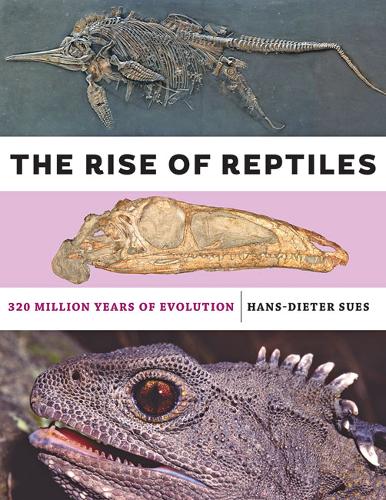
The Rise of Reptiles
320 Million Years of Evolution
Hardback
$189
Not in-store but you can order this
TarotSaur
Art, fossils, witchcraft. You're...
Paperback
$58.95 $49.73
Not in-store but you can order this
Remnants of Ancient Life
The New Science of Old Fossils
Hardback
$49.99
Not in-store but you can order this