PRIZES to win! PROMOTIONS


Raphael Lyne is a Reader in Renaissance Literature and a Fellow and Director of Studies at Murray Edwards College, Cambridge. He is the author of Shakespeare, Rhetoric and Cognition (Cambridge, 2011), Shakespeare's Late Work (2007) and Ovid's Changing Worlds (2001).
'Lyne approaches memory as an elastic metaphor. Early modern memory culture adheres to no single model of memory; neither does Lyne's argument ... by directly addressing specific sets of questions in cognitive science, Lyne provides a robust and humanistic response, an intertext as it were, to ongoing social-scientific research in memory ... in terms of its contribution to literary theory, this is the strongest work on early modern memory that I have read.' Lina Perkins Wilder, Connecticut College
Redemptive Hybridism in Post-Postmodern...
Paperback
$59.99
Not in-store but you can order this
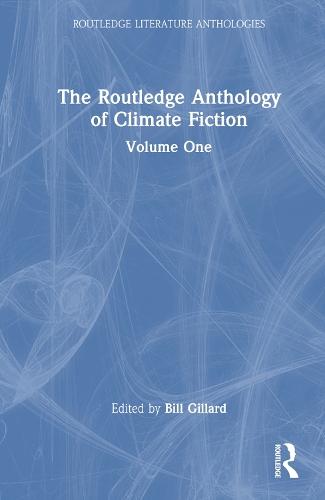
The Routledge Anthology of Climate...
Volume One
Hardback
$284
Not in-store but you can order this
Contemporary Literary and Cultural...
An Overview
Paperback
$49.99
Not in-store but you can order this
The Gutenberg Parenthesis
The Age of Print and Its Lessons...
Paperback
$29.99
Not in-store but you can order this