Bargains! PROMOTIONS


Arthur L Costa is an Emeritus Professor of Education, California State University Sacramento. He has served as a teacher, curriculum consultant, assistant superintendent for instruction and Director of Educational Programs for N.A.S.A. A former president of ASCD, he has devoted his career to improving education through self-directed learning and thought-filled curriculum and instruction. Robert J. Garmston, EdD is Emeritus Professor of Educational Administration at California State University, Sacramento and Co-Developer of Cognitive Coaching with Dr. Art Costa, Co-Developer of Adaptive Schools with Bruce Wellman. Served as a classroom teacher, resource teacher, principal, director of instruction and acting superintendent in Northern California Schools and principal in Saudi Arabia.
What is powerful about Cognitive Coaching is its effect on individual identity: who we think we are, and who we want to be in service to others. At its heart is deep, nonjudgmental listening that is so fully focused on understanding another and the meaning they are trying to convey that nothing else occupies us in the moment. Simply put, this kind of listening, involving our entire being, can only be thought of as an act of love. As we listen, and as others feel increasingly seen and heard, we also develop greater compassion in our hearts. -- OCHAN KUSUMA POWELL, EdD * director, Education Across Frontiers * The depth of insights surfacing from the authors of this comprehensive range of chapters reveals the diverse applications of the processes of Cognitive Coaching. The heart of nonjudgmental coaching is unveiled at this unique point in time when we need, more than ever, authentic ways of communicating across cultures, disciplines and distracting media silos. We need dialogue grounded in empathy, guided by the coaching design described in this offering, that brings out from within each of us, our best thinking. -- DAVID HYERLE, EdD * chief learning officer, www.neurapoints.com *
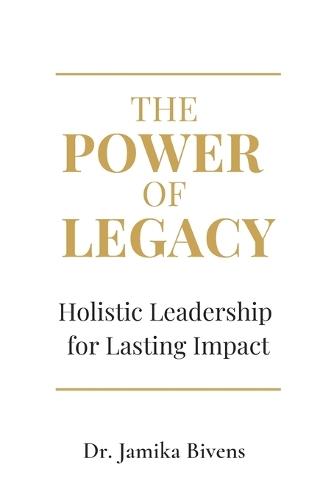
The Power of Legacy
Holistic Leadership for Lasting...
Paperback
$33.95 $30.23
Not in-store but you can order this
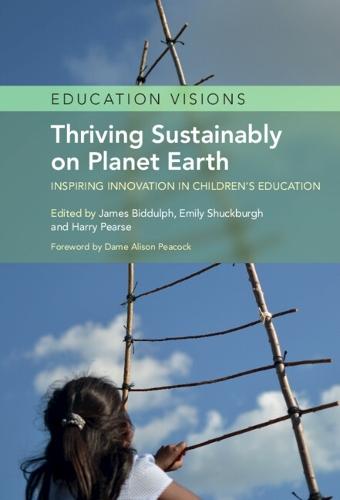
Thriving Sustainably on Planet Earth...
Inspiring Innovation in Children's...
Paperback
$92.95 $79.39
Not in-store but you can order this
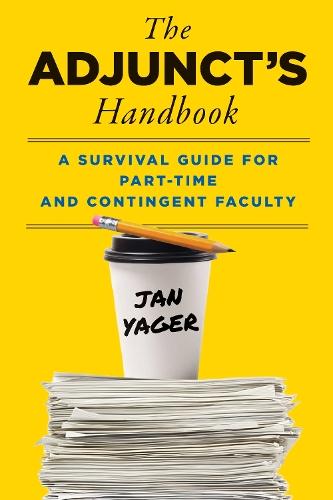
The Adjunct's Handbook
A Survival Guide for Part-Time and...
Paperback
$58.99
Not in-store but you can order this