Bargains! PROMOTIONS


Christa Dierksheide is Brockman Foundation Jefferson Scholars Foundation Professor of History at the University of Virginia. She is the author of Beyond Jefferson: The Hemingses, the Randolphs, and the Making of Nineteenth-Century America and Amelioration and Empire: Progress and Slavery in the Plantation Americas, 1770-1840. Formerly the Historian at the Robert H. Smith Center for Jefferson Studies at Monticello, she has curated and contributed to numerous related exhibitions. Nicholas Guyatt is Professor of North American History at the University of Cambridge. He is the author of The Hated Cage: An American Tragedy in Britain's Most Terrifying Prison, Bind Us Apart: How Enlightened Americans Invented Racial Segregation, and Providence and the Invention of the United States, 1607-1876. His writing on American history and politics has appeared in the New York Times, the London Review of Books, the New York Review of Books, and elsewhere.
Perfectly timed for the nation's 250th birthday, Jefferson's Wolf helps us understand how the author of the famous phrase 'All men are created equal' could abide and enforce violent inequity in his own life. Dierksheide and Guyatt expertly trace Jefferson's evolving ideas on slavery, while also revealing their relationship to the broader political, cultural, and economic shifts that shaped the adolescent United States.--Lindsay M. Chervinsky, author of Making the Presidency: John Adams and the Precedents That Forged the Republic The most difficult Jeffersonian knot to untie, for us, is the relationship between his professed opposition to slavery and his racism. Dierksheide and Guyatt find the explanation in Jefferson's commitment to racial exclusion, revealing this to be fundamental to his vision for the nation's future. By attending carefully to political contexts, they provide balance without invoking necessity or letting Jefferson off the hook.--David Waldstreicher, author of The Odyssey of Phillis Wheatley A provocative and necessary book. The United States was founded in the period when modern European notions about race--shaped by the enslavement of Africans--were coalescing. Offering an insightful account of how the nation's third president viewed slavery, Jefferson's Wolf illuminates this era of American history in ways that still resonate today.--Annette Gordon-Reed, Pulitzer Prize-winning author of The Hemingses of Monticello: An American Family With insight, honesty, and eloquence, Christa Dierksheide and Nicholas Guyatt have given us an invaluable study of the troubling complexities of Thomas Jefferson's views on race and slavery. The story is neither simple nor heroic--but history, like human nature, is rarely simple or heroic. This is an important and illuminating account of forces that remain deeply relevant today: power, race, and the aspirations as well as the derelictions of American democracy.--Jon Meacham, Pulitzer Prize-winning author of Thomas Jefferson: The Art of Power In their authoritative new study of Thomas Jefferson and the problem of slavery, Christa Dierksheide and Nicholas Guyatt persuasively characterize the author of the Declaration of Independence as an antislavery exclusionist. Deftly illuminating Jefferson's position, they offer fresh perspectives on the man himself, the people he claimed to own, and the fragile federal union as it divided over slavery's future.--Peter S. Onuf, coauthor of ""Most Blessed of the Patriarchs"" Thomas Jefferson and the Empire of the Imagination
King Leopold's Ghost
A Story of Greed, Terror and Heroism...
Paperback
$26.99
Forthcoming
You can preorder this
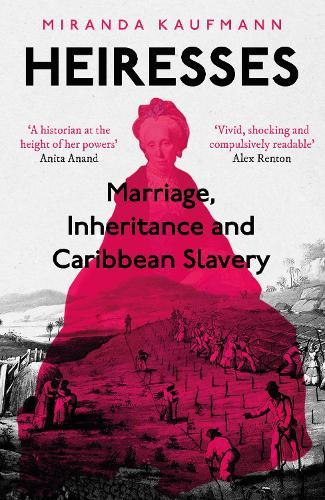
Heiresses
Marriage, Inheritance and Caribbean...
Hardback
$49.99
Forthcoming
You can preorder this
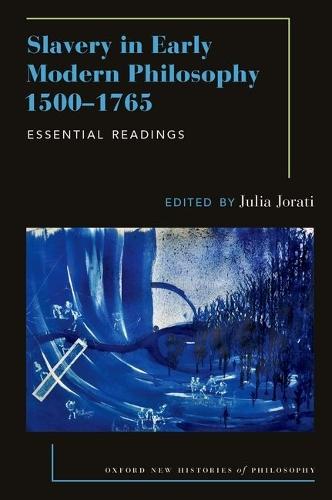
Slavery in Early Modern Philosophy...
Essential Readings
Paperback
$64.95
Forthcoming
You can preorder this
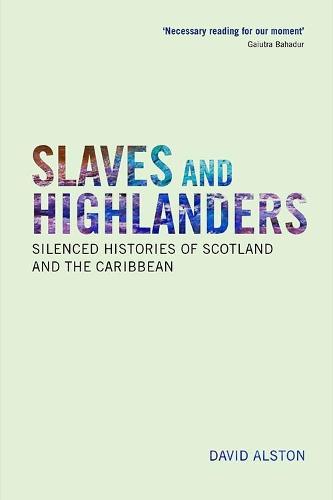
Slaves and Highlanders
Silenced Histories of Scotland and...
Paperback
$37.99
Forthcoming
You can preorder this