PRIZES to win! PROMOTIONS


James C. Kaufman, Ph.D., is an Associate Professor at the California State University at San Bernardino, where he directs the Learning Research Institute. Dr Kaufman's research focuses on the nurturance, structure, and assessment of creativity. Kaufman is the author or editor of 15 books either published or in press. These include Essentials of Creativity Assessment (with Jonathan Plucker and John Baer, 2008), International Handbook of Creativity (with Robert J. Sternberg, Cambridge University Press, 2006), and Applied Intelligence (with Robert J. Sternberg and Elena Grigorenko, Cambridge University Press, 2008). His research has been featured on CNN, NPR, the New York Times, and the BBC. Kaufman is a founding co-editor of the official journal for APA's Division 10, Psychology, Aesthetics, and the Arts. He is also the associate editor of the Journal of Creativity Behavior and the incoming editor of the International Journal of Creativity and Problem Solving and is the series editor of the Psych 101 series. He received the 2003 Daniel E. Berlyne Award from APA's Division 10, as well as NAGC's E. Paul Torrance Award.
Professor Kaufman's Intelligent Testing is an illuminating tribute to his father, Alan, whose pioneering, innovative accomplishments have placed the art and science of cognitive testing upon a solid historical, theoretical, behavioral, neuropsychological, and educational footing. The focus is upon the whole person, as affected by the complex and inevitable interplay of nature and nurture. The book is an embodiment of a highly successful tour de force culminating in the globalization of Alan's unique, masterfully accomplished, and clearly required approach to cognitive assessment. -Dom Cicchetti, Yale University and the Imperial College of Science, Technology, and Medicine, UK Intelligent Testing is an extraordinary book that highlights the accomplishments and contribution of a remarkable person, Alan Kaufman. The authors of the various chapters tell important stories about how Alan Kaufman influenced both the practice of assessment and their own professional maturation and development. It also provides important insights into the practice of assessment that all clinicians can learn from. Most of all it reveals much about the consummate practitioner, scientist and person who is Alan Kaufman. -Aurelio Prifitera, Ph.D., Group President and CEO, Clinical Assessment, Pearson Like Binet and Wechsler, Dr. Alan Kaufman is most certainly one of the key contributors to intelligence testing; his legacy is further reflected in the many psychologists he has mentored who continue to significantly advance the assessment of intelligence. -Donald H. Saklofske, University of Calgary
Emotion Coaching with Children and...
Promoting Positive Behavior, Wellbeing...
Paperback
$60.99
Not in-store but you can order this
A Little Guide for Teachers
Building Relationships in Schools...
Paperback
$41.99
Not in-store but you can order this
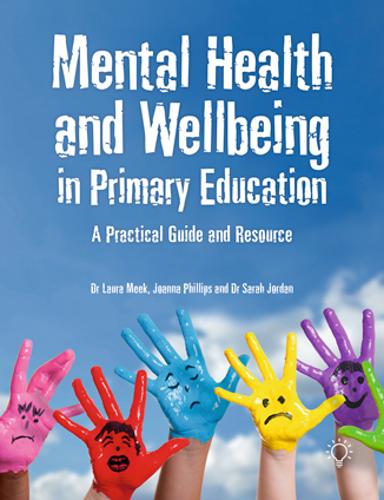
Mental Health and Well-being in...
A Practical Guide and Resource
Paperback
$74.99
Not in-store but you can order this
What They Forgot to Teach You at...
Essential emotional lessons needed...
Hardback
$32.99
Not in-store but you can order this
Can I Tell You About Dyscalculia?...
A Guide for Friends, Family and...
Paperback
$31.99
Not in-store but you can order this