Bargains! PROMOTIONS


Dr. Ikram Ur Rehman is an Associate Professor of Computer Science and Programme Lead for Health Informatics (MSc) at the School of Computing and Engineering, University of West London, United Kingdom. He has been involved in numerous national and international mHealth projects in areas such as chronic disease management, social robotics, decision support systems, behavioural change management, telehealth, and telecare in developing countries. In addition, he has played a key role in eLearning projects, focusing on integrating new technologies like AI-driven adaptive learning, VR/AR for immersive experiences, and data analytics to personalise education, particularly for those with disabilities. His innovative efforts have enhanced the accessibility, interactivity, and effectiveness of educational programmes globally. Ikram has authored over 45 journal articles, peer-reviewed conference papers, and book chapters. He serves on editorial boards, review panels for numerous transactions and journals, and is a committee member for many international conferences. He has been an invited speaker at various industrial, scientific, and governmental events. In recognition of his academic achievements and contributions to teaching, he has received several accolades, including Academic of the Year (2021-2024), Innovation in Teaching and Learning Award (2022), and Teaching Excellence Award (2022). He is a Senior Fellow of the Higher Education Academy (SFHEA) and a member of IEEE, ACM, and IET. Furthermore, he is the Vice Chair of the IEEE Smart Cities Awards and Recognition Committee. Dr. Moustafa M. Nasralla is the Head of the Department of Communications and Networks Engineering and an Associate Professor at Prince Sultan University, Riyadh, Saudi Arabia. He chairs the IEEE Smart Cities Awards and Recognition Committee and leads the Smart Systems Engineering Laboratory at Prince Sultan University, where he focuses on integrating advanced technologies into education and urban systems. Dr. Nasralla has secured national and international funding for projects, including Intelli-Student, an AI-powered smart education platform funded by the British Council, and 5G-Enabled Smart City Development in Saudi Arabia. Dr. Nasralla actively promotes the application of smart technologies in education and research. He is instrumental in advancing smart education through initiatives such as the 5G-Enabled Smart Cities Workshop at IEEE Smart Cities Conferences and the International Conference on Sustainability. His research interests include 6G, 5G, IoT, wireless sensor networks, machine learning, and multimedia communications, with applications in personalised learning environments and adaptive education systems. Dr. Nasralla has published over 80 high-impact articles and has received several distinguished reviewer awards. As a Fellow of the Higher Education Academy, he is dedicated to fostering innovation in education and integrating smart technologies to empower future generations. Dr Drishty Sobnath is an Assistant Professor in Computer Science. Prior to joining Heriot Watt, she was a Senior Lecturer at Solent University, Southampton, UK, as well as the Programme Leader of BSc (Hons) Computer Science, BSc (Hons) Software Engineering and MSc Computer Engineering. She was awarded her PhD in Software Engineering (mHealth) from Kingston University, London. Her work included implementation and testing of IoT solutions, wearables, and mobile application development to improve lifestyle of patients suffering from Chronic Obstructive Pulmonary Disease (COPD) in the UK and Netherlands. She teaches courses at both undergraduate and postgraduate levels in the fields of Data Science and Artificial Intelligence. Professor Muazzam Ali Khan Khattak is a Professor of AI and Computer Science and the Director of Science and Technology at Quaid-i-Azam University (QAU), Islamabad, Pakistan. Renowned for his commitment to advancing education, he is listed among the top 2% of scientists worldwide as recognized by Stanford University. Dr. Khattak’s extensive experience in academia spans teaching, research, and academic administration. He has supervised over 100 undergraduate, master’s, and PhD students and introduced advanced educational programs, including specializations in Artificial Intelligence and Data Science. His work emphasizes fostering equitable learning environments and using AI-driven technologies to support students and enhance teaching methodologies. A prolific researcher with over 200 publications, Dr. Khattak has secured national and international funding for projects integrating AI and IoT into education and society. He has also developed tools such as a Learning Management System (LMS) to facilitate online education for affiliated colleges and contributed to the establishment of new academic programs and departments. His leadership extends to organizing international conferences and workshops focused on health, education, sustainability, and smart technologies. Dr. Sundus Ali is an Associate Professor in the Department of Telecommunications Engineering at the Department of Telecommunications Engineering, NED University of Engineering and Technology, Pakistan. With over 17 years of professional experience and a Senior Member of IEEE and IEEE ComSoc, she is an accomplished researcher, mentor, and academic leader with a strong record in wireless communication, Internet of Things (IoT), and analytical modeling. With a PhD in Electronic Engineering, Dr. Ali has led and co-led multiple nationally and internationally funded projects, including HEC NRPU, Sindh HEC, MoST Endowment Fund, and the British Council’s PAK-UK Education Gateway. Her recent initiatives focus on proximity services, smart environment monitoring, and sustainable technology solutions for climate action. Dr. Ali has authored over 28 peer-reviewed journal papers and 12 conference publications, earning the NEDUET Best Researcher Award and NEDAASC Best Teacher Award. She also serves as Manager of the Business Incubation Center at NED University and Chairperson of the Academic Industry Council at National Incubation Center Karachi, where she drives university–industry collaboration, startup mentoring, and commercialization of research. Beyond academia, she is actively engaged in community and professional development, having organized and chaired several international conferences, delivered keynote talks, and facilitated capacity-building programs under Higher Education Commission, UNIDO, and FPCCI (Chambers of Commerce). With her blend of technical expertise, research excellence, and leadership in innovation ecosystems, Dr. Ali is committed to shaping the future of sustainable and inclusive technological development in Pakistan and beyond. She has supervised multiple postgraduate and doctoral theses, fostering a research culture that integrates innovation, sustainability, and societal relevance. Through her research, mentorship, and leadership in academic–industry ecosystems, Dr. Sundus Ali continues to play a transformative role in advancing Pakistan’s technological capacity, particularly in IoT-driven environmental solutions, smart cities, and resilient communication systems. Her career reflects an enduring commitment to using science, innovation, and education as tools for sustainable development and positive societal change.
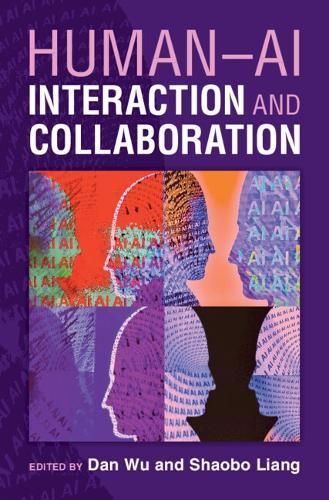
Human-AI Interaction and Collaboration...
Hardback
$212.95 $170.50
Not in-store but you can order this
Roster of the Rainbow division
Forty-Second Major General Wm. A....
Paperback
$72.95 $61.65
Not in-store but you can order this
Intelligent Motion Control for Human-Centered...
Paperback
$420.95 $336.79
Not in-store but you can order this
How Artifacts Afford
The Power and Politics of Everyday...
Paperback
$49.99
Not in-store but you can order this
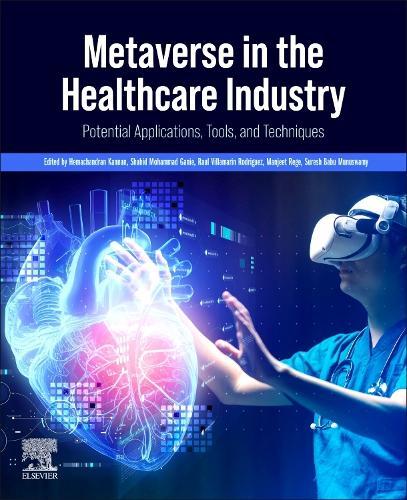
Metaverse in the Healthcare Industry...
Potential Applications, Tools, and...
Paperback
$327.95
Not in-store but you can order this
The Human Dimension of Cybersecurity...
Cultivating a Protective Organizational...
Paperback
$457.95 $366.50
Not in-store but you can order this