Bargains! PROMOTIONS


Jennifer S. Vey is a senior fellow with the Brookings Institution Metropolitan Policy Program and the director of the Anne T. and Robert M. Bass Center for Transformative Placemaking. Vey’s work primarily focuses on how place-based policies and practices can support the development of more vibrant, connected, and inclusive communities. Nate Storring is the co-executive director of Project for Public Spaces. Storring’s writing and projects explore participatory approaches to urban planning, policy design, and stewardship.
Hyperlocal is a thoughtful examination of placemaking that asks the critical questions of accountability and who benefits from these investments. Grounded in equity and the communities we serve, this book is essential reading for anyone engaged in designing and managing public spaces. -- Scott Kratz, Building Bridges Across the River Senior Vice President and 11th Street Bridge Park Director Hyperlocal represents a constructive bridge over the wide gap between the theory and practice of place management. As local communities across the country seek to assemble the necessary tools to advance inclusive and equitable development, Hyperlocal will be a must-read for those leaders who are in the business of attracting investment in the service of place-based outcomes. -- Uwe S. Brandes, Professor of the Practice, Georgetown University Hyperlocal shows us that hope is not lost. Communities can be governed to ensure the best for all of us. -- Majora Carter, Reclaiming Your Community: You Don't Have to Move Out of Your Neighborhood to Live in a Better One Jennifer Vey and Nate Storring have put together a fascinating book full of illuminating case studies that unravel the dizzying variety of forms through which places are not only created but operated and maintained in America's cities. Showing how we have moved from government to place governance, this book highlights the promise of new and emerging hybrid models of both development and stewardship, but also points out the risks and pitfalls that go along with the opportunities. This is a valuable book for anyone who wants to understand how placemaking actually works in today's world. -- Alan Mallach, Senior Fellow, Center for Community Progress With so much attention paid to 'what' gets built in cities, we need more resources on the 'how'. Hyperlocal is an essential and timely contribution to writing on cities to support practitioners to share power more effectively, be intentional about governance, and most importantly, work in solidarity with communities to create cities that serve the needs of everyone. -- Zahra Ebrahim, Urbanist and Co-Founder, Monumental
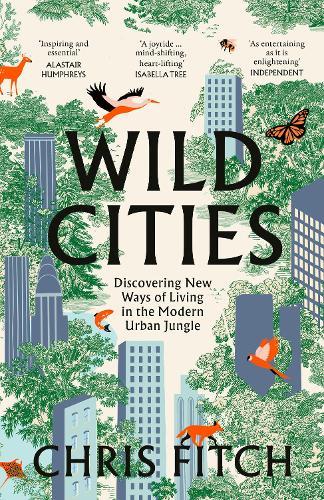
Wild Cities
Journeys Through the Modern Urban...
Paperback
$24.99
Not in-store but you can order this
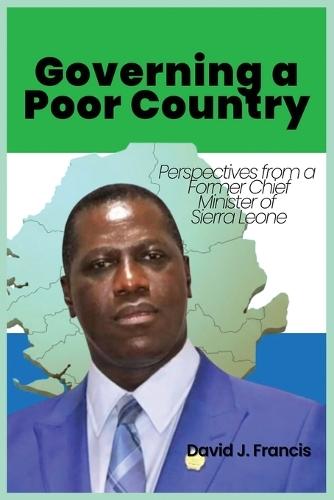
Governing a Poor Country
Perspectives from a Former Chief...
Paperback
$43.95 $37.15
Not in-store but you can order this
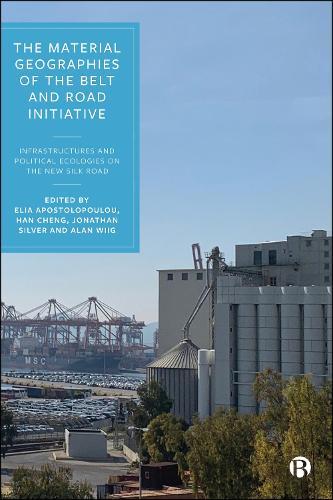
The Material Geographies of the...
Infrastructures and Political Ecologies...
Paperback
$57.95
Not in-store but you can order this
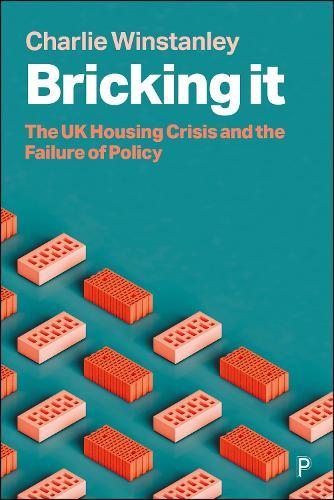
Bricking It
The UK Housing Crisis and the Failure...
Paperback
$57.95
Not in-store but you can order this
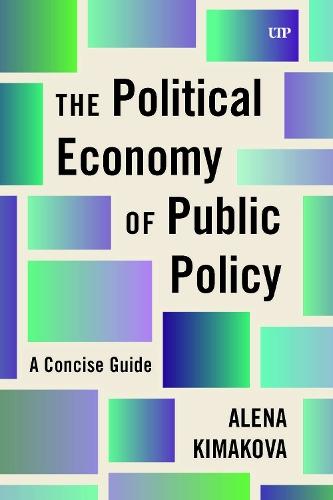
The Political Economy of Public...
A Concise Guide
Paperback
$77.99
Not in-store but you can order this