Beat the rise! Delivery fees are going up soon.


"""It's about time somebody wrote this book. This quirky, thoughtful volume, bursting with curiosity and intelligence, may make our everyday world more visible to more Americans. Architecture is too important to be left to architects alone."" Mixed Media""A stunning exploration of the design of design How Buildings Learn will irrevocably alter yor sense of place, space, and the artifacts that shape them."" Michael Shrage, Wired ""Penetratingly original."" Philip Morrison, Scientific American ""An extremely attractive volume that will forever alter the way we respond to the buildings around us. We may also hope it will alter the way architects design buildings."" Harold Gilliam, San Francisco Chronicle ""A fascinating and indefinable book How Buildings Learn is a hymn to entropy, a witty, heterodox book dedicated to kicking the stuffing out of the proposition that architecture is permanent and that buildings cannot adapt."" Stephen Bayley, The Times (London) ""The book's diagnosis is clear and to the poiny, and its illustrations of how buildings change are both fascinating and instructive. This is, in short, one of the rare books that every architect should read."" Thomas Fisher, editor, Progressive Architecture ""A book of good sound-bites and laser-sharp insight No architecture students should complete their preliminary studies without reading it from cover to cover."" Patric Hannay, The Architects' Journal"
Legendary Lighthouses of Britain...
An Illustrated Guide to the Sentinels...
Hardback
$65
In Stock 😊
German Football Museum
The Exhibitions 2015-2025
Hardback
$105
Not in-store but you can order this
Urbanist
The World's Most Iconic Cities &...
Hardback
$110
Not in-store but you can order this
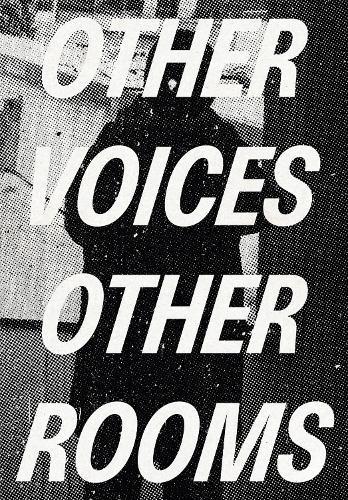
Other Voices, Other Rooms
An Exhibition as Memory for a Future...
Paperback
$85
Not in-store but you can order this
Ossip Klarwein
An Architect’s Journey from Berlin...
Paperback
$90
Not in-store but you can order this