Bargains! PROMOTIONS


David Ponton III is an assistant professor in the School of Interdisciplinary Global Studies at the University of South Florida.
""A deeply researched and illuminating exploration of mid-century civil rights history in Houston…Through his extensive scouring of Black newspapers, NAACP investigations, and other contemporaneous sources, Ponton provides a fascinating window onto how individual Black activists thought about their world. It’s a rigorous study of the ins-and-outs of civil rights activism and a significant contribution to the history of Houston."" - (Publishers Weekly) ""Using a wide variety of primary sources in an imaginative new way, Ponton demonstrates how scholars can remove themselves from the narrowness of their training and listen anew to the voices of those they study by not placing their language within the language of liberal capitalism. He reminds readers that those oppressed live in a world not of their own creation, a world in which they do not wish to live. This approach allows scholars to better understand that pessimism was, and is, a coping mechanism that staves off despair until a new world arrives."" - (CHOICE) ""[Ponton's] highly original and provocative first book…creates a three-dimensional portrait to convey the painful oppression that Houston’s black population confronted that is not available in the existing literature. Eschewing a conventional historical narrative,…Ponton’s approach is best described as a three-act play that draws the reader into the circumstances that its protagonists experienced…Ponton brings to urban and planning history scholarship new perspectives and a new vocabulary that will undoubtedly influence future researchers and students to recast their understanding of how and why American cities have been, and remain, places of terror for their black citizens.""- (Journal of Planning History) ""[This book is] a tour de force that deserves a broad audience.""- (Journal of Southern History) ""[An] insightful and thought-provoking book...Ponton’s theoretical rigor and interdisciplinary approach makes his methodological approach a compelling lens for those seeking to understand the position of Blackness in the urban environment.""- (Journal of Texas History)
Acts of Love
Black Performance and the Kiss That...
Paperback
$49.95
Forthcoming
You can preorder this
Wayward Lives, Beautiful Experiments...
Intimate Histories of Riotous Black...
Paperback
$32.99
In Stock 😊
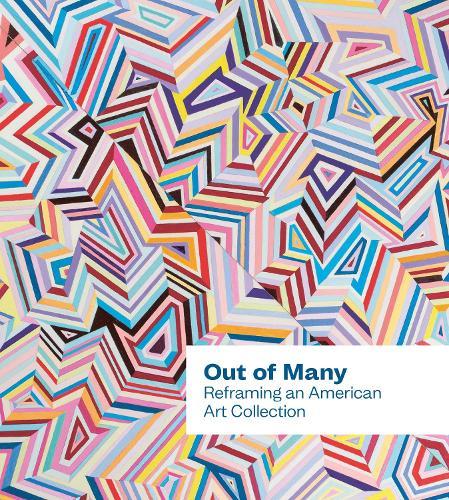
Out of Many
Reframing an American Art Collection...
Hardback
$110
Forthcoming
You can preorder this
Traveling Black
A Story of Race and Resistance
Paperback
$34.95
Forthcoming
You can preorder this