Bargains! PROMOTIONS


Hamed Barabadi (PharmD, PhD) works as an assistant professor at the Department of Pharmaceutical Biotechnology, School of Pharmacy, Shahid Beheshti University of Medical Sciences, Tehran, Iran. He received a PhD degree from Shahid Beheshti University of Medical Sci-ences, Tehran, Iran, in 2019. He graduated as a Doctor of Pharmacy (PharmD) from Mazandaran University of Medical Sciences, Sari, Iran, in 2014. He owns to his credit a number of research papers, book chapters, and edited books with more than 3000 citations and h-index of 38. He has received many awards such as IET—Nanobiotech¬nology Premium Awards two times continuously in the years 2019 and 2020. Dr. Barabadi has been featured among the World’s Top 2% scientists list, according to a Stanford University study 2020 and 2022. He is the guest editor/editor for various reputed indexed journals such as Current Nanomedicine, Nanoscience and Nanotechnology-Asia, Frontiers in Pharmacology, MDPI International Journal of Molecular Sciences, MDPI Molecules, and a few other prestigious journals. His research interests lie in the area of pharmaceutical nanobiotechnology, ranging from green synthesis, characterization, and optimization of nanobiomaterials to their pharmaceutical potential evaluations, such as anticancer, antimicrobial, antioxidant, etc. Moreover, he has collaborated actively with researchers in several other disciplines of pharmaceutical sciences, particularly the nanoformulation of drugs for drug delivery systems and nanomedicine. Chaudhery Mustansar Hussain is an adjunct professor and lab director in the Department of Chemistry & Environmental Sciences at the New Jersey Institute of Technology (NJIT), United States. His research is focused on sustainability, nanotechnology & advanced materials, environmental management, analytical chemistry, and other various industries. Dr. Hussain is the author of numerous papers in peer-reviewed journals as well as a prolific author and editor of several books, including scientific monographs and handbooks in his research areas. He has published with ELSEVIER, American Chemical Society, Royal Society of Chemistry, John Wiley & Sons, CRC Press, and Springer.
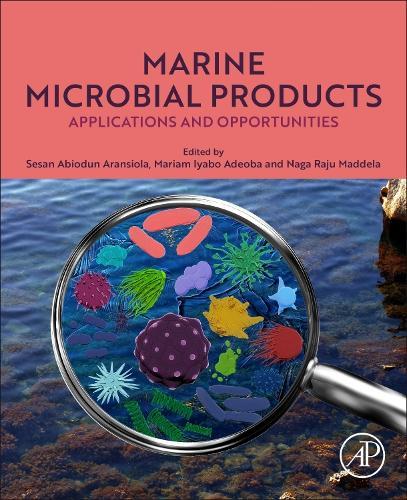
Marine Microbial Products
Applications and Opportunities
Paperback
$362.95
Not in-store but you can order this
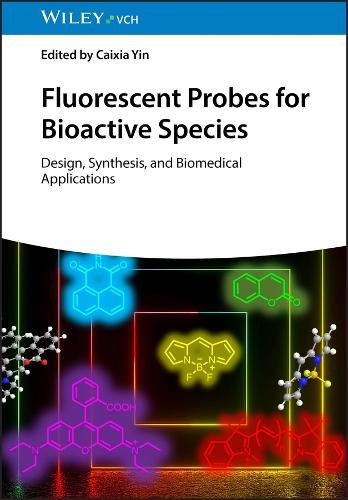
Fluorescent Probes for Bioactive...
Design, Synthesis, and Biomedical...
Hardback
$469.95 $375.81
Not in-store but you can order this
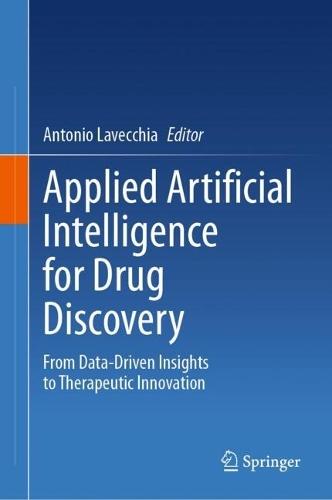
Applied Artificial Intelligence...
From Data-Driven Insights to Therapeutic...
Hardback
$326.95 $261.21
Not in-store but you can order this
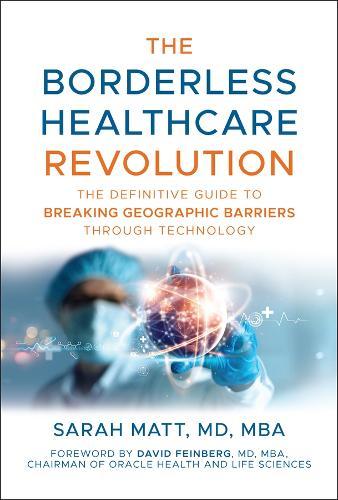
The Borderless Healthcare Revolution...
The Definitive Guide to Breaking...
Hardback
$65.95
Not in-store but you can order this
Additive Manufacturing Solutions...
Clinical Dentistry, Orthopedic,...
Paperback
$436.95
Not in-store but you can order this