Beat the rise! Delivery fees are going up soon.


Rudolf Steiner (1861-1925) was born in the small village of Kraljevec, Austro-Hungarian Empire (now in Croatia), where he grew up. As a young man, he lived in Weimar and Berlin, where he became a well-published scientific, literary, and philosophical scholar, known especially for his work with Goethe's scientific writings. At the beginning of the twentieth century, he began to develop his early philosophical principles into an approach to systematic research into psychological and spiritual phenomena. Formally beginning his spiritual teaching career under the auspices of the Theosophical Society, Steiner came to use the term Anthroposophy (and spiritual science) for his philosophy, spiritual research, and findings. The influence of Steiner's multifaceted genius has led to innovative and holistic approaches in medicine, various therapies, philosophy, religious renewal, Waldorf education, education for special needs, threefold economics, biodynamic agriculture, Goethean science, architecture, and the arts of drama, speech, and eurythmy. In 1924, Rudolf Steiner founded the General Anthroposophical Society, which today has branches throughout the world. He died in Dornach, Switzerland.
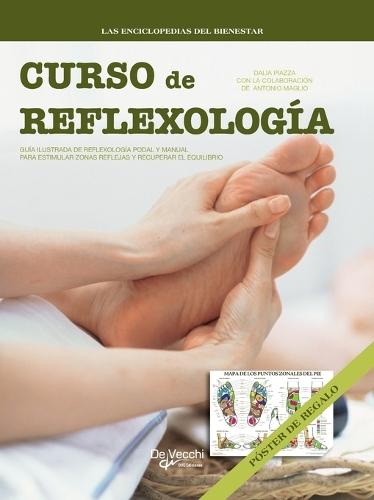
Curso de reflexología
Guía ilustrada de reflexología podal...
Hardback
$134.95 $114.79
Not in-store but you can order this
The Longevity Formula
Ayurvedic Principles to Reduce Inflammation,...
Paperback
$36.99
Not in-store but you can order this
Masaje antiestrés
Ejercicios y técnicas de masaje...
Hardback
$110.95 $93.92
Not in-store but you can order this
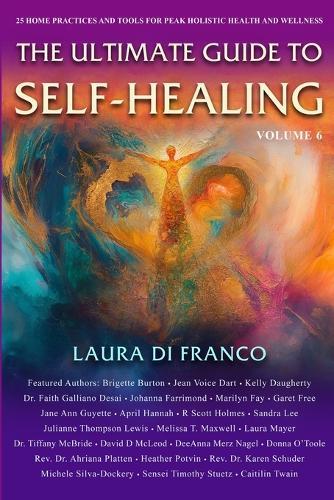
The Ultimate Guide to Self-Healing...
25 Home Practices and Tools for...
Paperback
$51.95 $47.02
Not in-store but you can order this
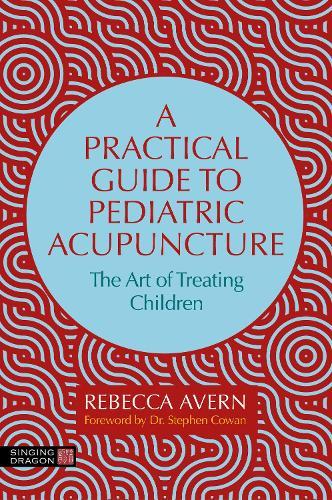
A Practical Guide to Pediatric Acupuncture...
The Art of Treating Children
Paperback
$105
Not in-store but you can order this