Bargains! PROMOTIONS


Daniel Gardner's The Four Books was perfect for my upper-division lecture course on Late Imperial China, and would also work well in an introductory class on the same period, anything from Song through Qing; or in an introductory week or two on pre-modern China or East Asia in a modern China or modern East Asia history or political science course. [Gardner] has designed this book for undergraduates and it is clearly written and easy to read. His introduction and conclusion are both clear and helpful. The introduction makes the key points students need to understand the place of the Four Books in late imperial society and government, and in intellectual history. The pictures illustrative particular points well, and the reproduced page of text plus commentary vividly shows students how the commentary was built right in. The conclusion reiterates important points about the overall message of the Four Books, pulling together examples from all of them: this is useful for students encountering the texts for the first time. In between, the presentation of the Great Learning and the selection of passages from the other Books, enriched as late imperial readers would have had them by commentary, is judicious. Of course every teacher will have her own favorite passages that have been omitted, but Gardner has chosen wisely to make the most important points. . . . Thanks to Hackett for providing this excellent classroom resource. --Sarah Schneewind, University of San Diego
The Story of Yoga
From Ancient India to the Modern...
Paperback
$29.99
Not in-store but you can order this
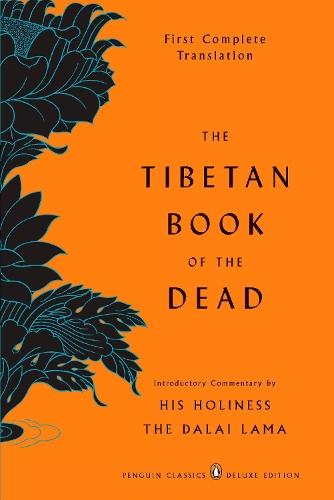
The Tibetan Book of the Dead
First Complete Translation (Penguin...
Paperback
$53.95
Not in-store but you can order this
Pranayama Lost in Translation
From the Hatha Verses to Practice...
Paperback
$67.99
Not in-store but you can order this
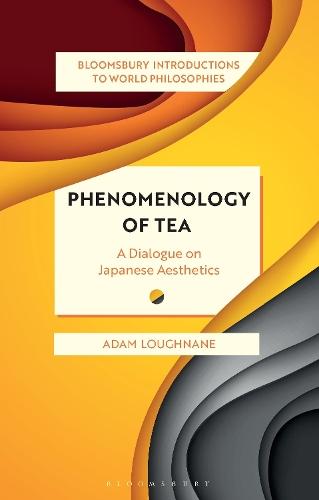
Phenomenology of Tea
A Dialogue on Japanese Aesthetics...
Paperback
$46.99
Not in-store but you can order this