Beat the rise! Delivery fees are going up soon. INFO


Sandie Holguín is an associate professor of history at the University of Oklahoma, where she teaches European cultural and intellectual history and European feminist thought and gender studies. She specializes in Spanish history and is the author of Creating Spaniards: Culture and National Identity in Republican Spain.
Holgu n's well-written, witty, and scholarly book on flamenco and the shaping of modern Spanish national identity helps us understand the enigmatic tension between Spaniards' often ambivalent attitudes toward flamenco and the art form's enormous success beyond Iberia. --Enrique Sanabria, University of New Mexico As bracing as the clicking of castanets, this book plunges the reader into the history of flamenco and charts how this art form became quintessentially Spanish. Holgu n demonstrates how music and dance take on nationalist overtones--and does so with such verve. --Clinton Young, author of Music Theater and Popular Nationalism in Spain, 1880-1930
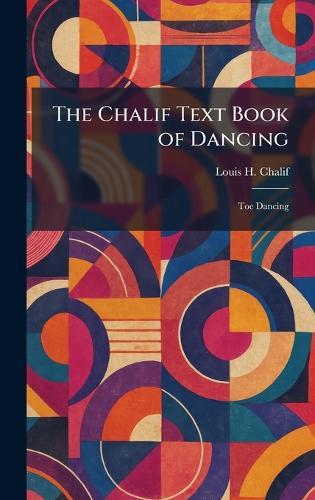
The Chalif Text Book of Dancing...
Toe Dancing
Paperback
$52.95 $45.23
Not in-store but you can order this
Beyond the Spotlight
: How to Survive and Thrive in the...
Paperback
$54.99
Not in-store but you can order this
The Chalif Text Book of Dancing...
Toe Dancing
Hardback
$70.95 $59.92
Not in-store but you can order this