Bargains! PROMOTIONS


Ervin Staub, PhD, survived the Holocaust as a young child and at eighteen escaped from communist Hungary, then received a PhD at Stanford and taught at Harvard, the University of Massachusetts, and Stanford. He has published six books, including The Roots of Evil: The Origins of Genocide and Other Group Violence and The Roots of Goodness and Resistance to Evil, and edited/coedited four more. He has also published many articles and book chapters and written blogs for Huffington Post, Psychology Today, and Oxford, appeared on TV and radio, and his work has been widely reviewed in the media.
""Ervin Staub's memoir is a rare and invaluable contribution-a seamless integration of personal history, rigorous scholarship, and deeply impactful fieldwork. Evil, Goodness, and Creating Active Bystandership illuminates the development of his influential ideas about empathy, moral agency, and the prevention of violence, and shows how those ideas have been put into practice in classrooms, NGOs, police departments, and divided societies around the world. For educators, policymakers, and anyone seeking to understand how individuals and communities learn to care for one another, this book is both inspiring and indispensable. It is an essential guide for anyone committed to building a more just, humane, and democratic world.""-Marc Skvirsky, vice president and chief program officer emeritus at Facing History and Ourselves; faculty member, Institute for Nonprofit Practice ""Ervin Staub's life is a testament to the power of moral courage. His work shaped our EPIC program in New Orleans and later helped guide our transformation in Baltimore. Today, police leaders across America are using his teachings to course-correct the policing culture, and they cite New Orleans as the model; however, his influence goes far beyond policing. In this memoir, he shows how a child who survived genocide grew into a scholar and humanitarian who taught thousands of us-officers, teachers, lawyers, and community members alike-what it means to step in, speak up, and protect one another. Ervin doesn't just study active bystandership; he lives it. This book is a gift to anyone who believes that policing, and society itself, can be better when good people choose to act.""-Michael S. Harrison, superintendent, New Orleans Police Department (ret.); commissioner, Baltimore Police Department (ret.) ""Ervin stands in the lineage of Elie Wiesel, a survivor who turned memory into moral responsibility. In a world where indifference and hate are again on the rise, we need his lessons now more than ever. This book is a playbook for courage, showing how ordinary people can become brave leaders who step in, speak out, and push back against hate.""-Mitch Tuchman, managing director and chief investment officer, Rebalance Wealth Management and advisory board member, Borns Jewish Studies, Indiana University
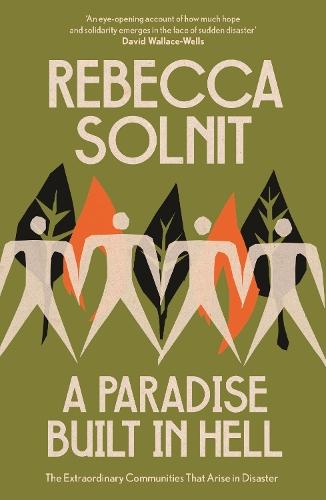
A Paradise Built in Hell
The Extraordinary Communities That...
Paperback
$26.99
Not in-store but you can order this
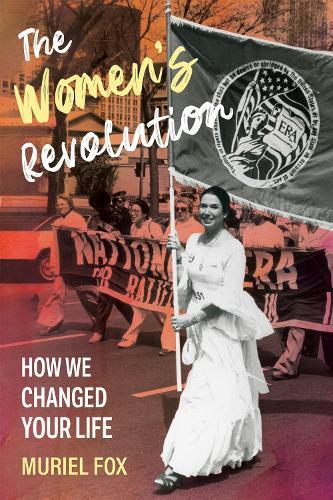
The Women's Revolution
How We Changed Your Life
Paperback
$51.99
Not in-store but you can order this
How All Politics Became Reproductive...
From Welfare Reform to Foreclosure...
Paperback
$40.95
Not in-store but you can order this
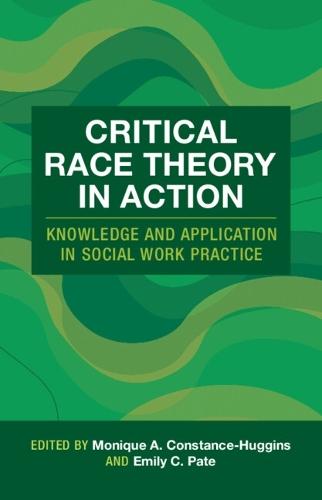
Critical Race Theory in Action
Knowledge and Application in Social...
Paperback
$91.95 $78
Not in-store but you can order this