Bargains! PROMOTIONS


Dr. Jonathan Brown is a Lecturer in Scots Private Law at the University of Strathclyde.
""In Engaging with Engagement, Jonathan Brown presents a thoughtful and thought-provoking thesis about the distinctive normative basis of the Scots law of obligations and the best way to pursue reform of this branch of the law. His scholarly and accessible discussion has much to offer to those with an interest in this field."" — Martin Hogg, School of Law, the University of Galway ""This book provides a concise yet rigorous account of the Scots law of voluntary obligations. Beginning with the historical foundations of sources and doctrine, it proceeds through a careful treatment of the postal acceptance rule before advancing a provocative conclusion: that Scots lawyers should resist the prevailing tendency to look outward for codification or reform and instead should look inward – to their own historic corpus of Scots legal literature – for the juristic logic and reasoning it requires.""— Leslie Dodd, Edinburgh Napier University ""A powerful and interesting contribution to Scots private law, this book brings different strands of existing scholarship together in a novel way. Its discussion of the postal acceptance rule and the role and significance of the Scottish Law Commission is valuable and insightful. The scholarship is sound, with impressive command of authorities and creative interpretation of legal doctrine.""— Jonathan Ainslie, the University of Aberdeen ""In Engaging with Engagement, Jonathan Brown presents a thoughtful and thought-provoking thesis about the distinctive normative basis of the Scots law of obligations and the best way to pursue reform of this branch of the law. His scholarly and accessible discussion has much to offer to those with an interest in this field."" — Martin Hogg, School of Law, the University of Galway ""This book provides a concise yet rigorous account of the Scots law of voluntary obligations. Beginning with the historical foundations of sources and doctrine, it proceeds through a careful treatment of the postal acceptance rule before advancing a provocative conclusion: that Scots lawyers should resist the prevailing tendency to look outward for codification or reform and instead should look inward – to their own historic corpus of Scots legal literature – for the juristic logic and reasoning it requires.""— Leslie Dodd, Edinburgh Napier University ""A powerful and interesting contribution to Scots private law, this book brings different strands of existing scholarship together in a novel way. Its discussion of the postal acceptance rule and the role and significance of the Scottish Law Commission is valuable and insightful. The scholarship is sound, with impressive command of authorities and creative interpretation of legal doctrine.""— Jonathan Ainslie, the University of Aberdeen ""In Engaging with Engagement, Jonathan Brown presents a thoughtful and thought-provoking thesis about the distinctive normative basis of the Scots law of obligations and the best way to pursue reform of this branch of the law. His scholarly and accessible discussion has much to offer to those with an interest in this field."" — Martin Hogg, School of Law, the University of Galway ""This book provides a concise yet rigorous account of the Scots law of voluntary obligations. Beginning with the historical foundations of sources and doctrine, it proceeds through a careful treatment of the postal acceptance rule before advancing a provocative conclusion: that Scots lawyers should resist the prevailing tendency to look outward for codification or reform and instead should look inward – to their own historic corpus of Scots legal literature – for the juristic logic and reasoning it requires.""— Leslie Dodd, Edinburgh Napier University ""A powerful and interesting contribution to Scots private law, this book brings different strands of existing scholarship together in a novel way. Its discussion of the postal acceptance rule and the role and significance of the Scottish Law Commission is valuable and insightful. The scholarship is sound, with impressive command of authorities and creative interpretation of legal doctrine.""— Jonathan Ainslie, the University of Aberdeen
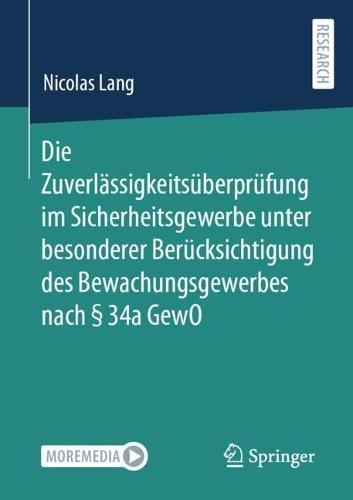
Die Zuverlässigkeitsüberprüfung...
Paperback
$251.95 $201.58
Not in-store but you can order this
The European Convention on Human...
Comparative Perspectives from South-Eastern...
Hardback
$170
Not in-store but you can order this
Internationaler Datentransfer zwischen...
Rechtliche und technische Anforderungen...
Paperback
$251.95 $201.58
Not in-store but you can order this
Understanding Private Law
Essays in Honour of Stephen A Smith...
Hardback
$200
Not in-store but you can order this
Der Verein als privatrechtlicher...
Paperback
$236.95 $189.65
Not in-store but you can order this
Asia-Pacific Trusts Law, Volume...
Adaptation in Context
Paperback
$130
Not in-store but you can order this