Bargains! PROMOTIONS


WILLIAM B. TYE is a Principal of Putnam, Hayes & Bartlett, Inc., an economics and management consulting firm which specializes in antitrust and regulation.
?Tye, a principal of a consulting firm in Boston, has studied what economists often ignore: the facts and institutions of a market. Based on economic evidence in the trucking industry under post-1980 deregulation (numbers of firms and truckers, entry and exit of firms, independent action on price setting, and the flexibility of prices), the author concludes that collective rate making through rate bureaus' is an efficient way of organizing the market, not a method of controlling price(s) in a collusive manner. . . . This study supports the basic and complementary economic propositions that for monopoly power to exist there must be control over supply (entry), and even collective price leadership (and list prices) may be barometic (vice collusive) and not price fixing' of the sort condemned by antitrust laws. This study is differentiated from other trucking studies (often in journal articles) by its attention to the facts of the industry. . . . The audience is wide, including undergraduates with only a smattering of economics, as well as policymakers, lawyers, and interested citizens.?-Choice ""Tye, a principal of a consulting firm in Boston, has studied what economists often ignore: the facts and institutions of a market. Based on economic evidence in the trucking industry under post-1980 deregulation (numbers of firms and truckers, entry and exit of firms, independent action on price setting, and the flexibility of prices), the author concludes that collective rate making through rate bureaus' is an efficient way of organizing the market, not a method of controlling price(s) in a collusive manner. . . . This study supports the basic and complementary economic propositions that for monopoly power to exist there must be control over supply (entry), and even collective price leadership (and list prices) may be barometic (vice collusive) and not price fixing' of the sort condemned by antitrust laws. This study is differentiated from other trucking studies (often in journal articles) by its attention to the facts of the industry. . . . The audience is wide, including undergraduates with only a smattering of economics, as well as policymakers, lawyers, and interested citizens.""-Choice
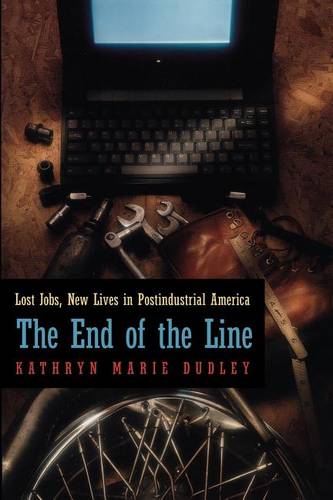
The End of the Line
Lost Jobs, New Lives in Postindustrial...
Paperback
$54.95
Not in-store but you can order this
Costs and Productivity in Automobile...
The Challenge of Japanese Efficiency...
Hardback
$340.95 $272.83
Not in-store but you can order this
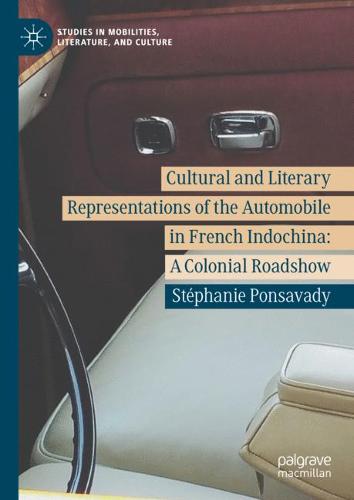
Cultural and Literary Representations...
A Colonial Roadshow
Hardback
$126.95 $101.37
Not in-store but you can order this
The Road to Zero Emissions
The Future of Trucks, Transport...
Hardback
$346.95
Not in-store but you can order this
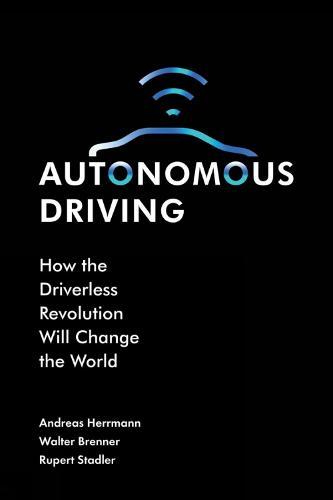
Autonomous Driving
How the Driverless Revolution will...
Hardback
$102.95 $87.65
Not in-store but you can order this