PRIZES to win! PROMOTIONS


Rudolf Steiner (b. Rudolf Joseph Lorenz Steiner, 1861-1925) was born in the small village of Kraljevec, Austro-Hungarian Empire (now in Croatia), where he grew up. As a young man, he lived in Weimar and Berlin, where he became a well-published scientific, literary, and philosophical scholar, known especially for his work with Goethe's scientific writings. Steiner termed his spiritual philosophy anthroposophy, meaning ""wisdom of the human being."" As an exceptionally developed seer, he based his work on direct knowledge and perception of spiritual dimensions. He initiated a modern, universal ""spiritual science"" that is accessible to anyone willing to exercise clear and unbiased thinking. From his spiritual investigations, Steiner provided suggestions for the renewal of numerous activities, including education (general and for special needs), agriculture, medicine, economics, architecture, science, philosophy, Christianity, and the arts. There are currently thousands of schools, clinics, farms, and initiatives in other fields that involve practical work based on the principles Steiner developed. His many published works feature his research into the spiritual nature of human beings, the evolution of the world and humanity, and methods for personal development. He wrote some thirty books and delivered more than six thousand lectures throughout much of Europe. In 1924, Steiner founded the General Anthroposophical Society, which today has branches around the world.
The Complete Encyclopedia of Egyptian...
Gods, Goddesses, and Spirits of...
Hardback
$200
Not in-store but you can order this
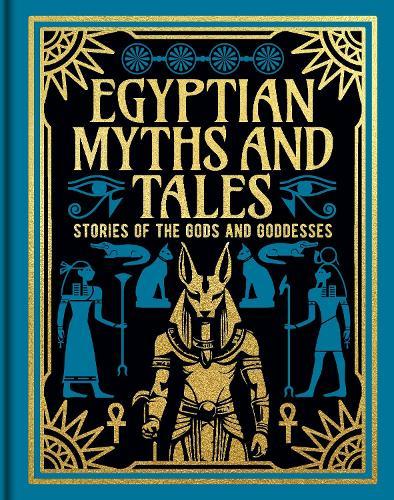
Egyptian Myths and Tales
Stories of the Gods and Goddesses...
Hardback
$44.99
Not in-store but you can order this
Weavers, Scribes, and Kings
A New History of the Ancient Near...
Hardback
$80.95
Not in-store but you can order this
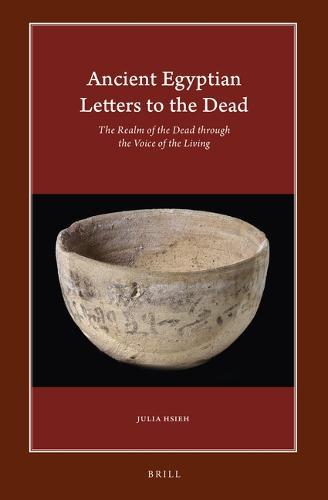
Ancient Egyptian Letters to the...
The Realm of the Dead through the...
Hardback
$435.95 $348.90
Not in-store but you can order this
The Egyptian Book of the Dead
Wisdom of the Ancient Papyrus of...
Hardback
$49.99
Not in-store but you can order this