Bargains! PROMOTIONS


Elias O. Opongo is Professor of Peace Studies and International Relations and Director of the Centre for Research, Training, and Publications (CRTP) at Hekima University College in Nairobi, Kenya.
Throughout this book, Elias O. Opongo challenges Western-led liberal peacebuilding perspectives in Northern Uganda, exposing their contextual limits. He, therefore, advocates for community-based, culturally rooted alternatives that speak to the realities of the people. Drawing on Acholi traditions and local agency, this book offers a decolonial framework for sustainable peace, making it essential reading for scholars and practitioners rethinking global peace interventions. It is a suitable piece for diverse range of disciplines, and particularly those that touch on conflicts, security, and peacebuilding models. * Susan M. Kilonzo, Professor of Sociology of Religion, Maseno University, Kenya * In the last decade or so, African scholars in particular, and Black scholars more generally have seen an increase in the popularization of decolonizing knowledge. Opongo’s book, however, does not employ decolonization as a fashionable motif, but instead truly explores and interrogates decolonizing the NGO peacebuilding project. Using Northern Uganda as his case, Opongo shows how efforts to build and sustain peace can be successful when conflicts are read in their long durée, when they foreground local knowledge and traditions, and if the communities involved are respected as knowers and experts. At the same time, this book highlights a critically nuanced discussion of many taken-for-granted concepts such as democracy, human rights, international NGO, neoliberalism, security sector reforms, and even peace. For this reason, this book is an important reading from a respected scholar, delivered in an accessible style, that will be appreciated by scholars across political science, history, religion, peace and security and African studies. * Akosua Adomako Ampofo, Professor of African and Gender Studies, University of Ghana, Ghana *
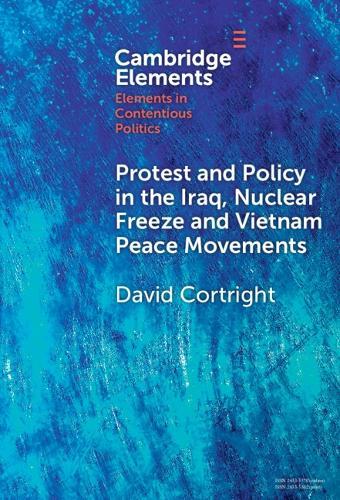
Protest and Policy in the Iraq,...
Hardback
$173.95 $139.01
Not in-store but you can order this
Euskadi Ta Askatasuna
A Case Study on Terrorist Dynamics...
Hardback
$181.95
Not in-store but you can order this
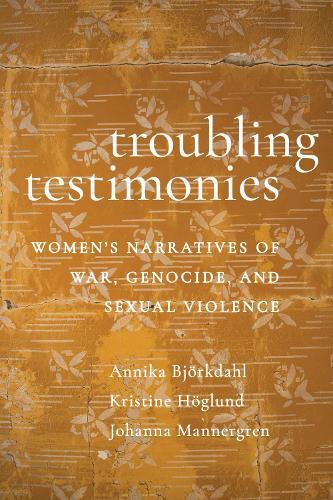
Troubling Testimonies
Women's Narratives of War, Genocide,...
Hardback
$206
Not in-store but you can order this
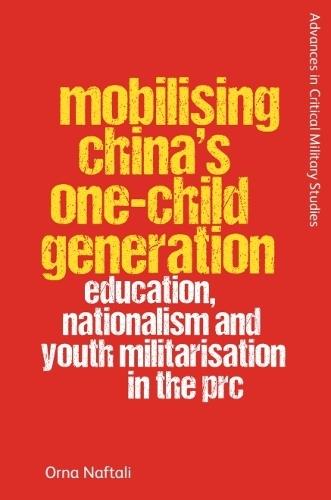
Mobilising China's One-Child Generation...
Education, Nationalism and Youth...
Paperback
$57.99
Not in-store but you can order this