PRIZES to win! PROMOTIONS


Dr. Maria Loroño-Leturiondo is a postdoctoral researcher at the Basque Centre for Climate Change, Spain. She received her doctoral degree from Manchester Metropolitan University, master’s degree from the University of Copenhagen, and bachelor degree from the University of the Basque Country. She has taught qualitative and quantitative courses on social research methods. Her research interests include adaptation to climate change as well as science communication. She has produced design work for different scientific outputs including books, conferences, journals, and events.
Data and Analytics Strategy for...
Leverage Data and AI to Achieve...
Paperback
$68.95
Not in-store but you can order this
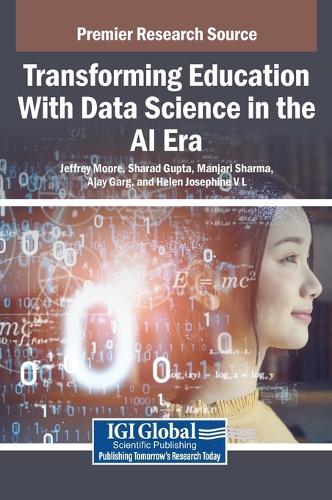
Transforming Education With Data...
Hardback
$454.95 $363.69
Not in-store but you can order this
Because Data Can't Speak for Itself...
A Practical Guide to Telling Persuasive...
Paperback
$49.99
Not in-store but you can order this
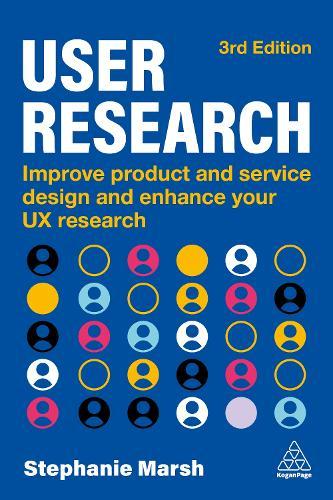
User Research
Improve Product and Service Design...
Hardback
$115.95
Not in-store but you can order this
Probability and Statistics for Data...
Paperback
$173.95 $139.01
Not in-store but you can order this