Beat the rise! Delivery fees are going up soon. INFO


Joe Tidy is the BBC’s first ever Cyber Correspondent and the foremost voice in the corporation on cybercrime and hacking. Over the past six years he has covered all major cyber-attacks for BBC TV, Radio, social media and website. He has made documentaries about cyber security travelling to the US, Russia, Saudi Arabia, Argentina, Germany and Ukraine to track down stories and characters. Joe’s most high-profile news feature and documentary saw him travel to Russia in November 2021 in search of the world’s most wanted cyber-criminal. This hunt was read by 1m people, viewed across social media more than 2.4m times and translated into 30 different languages across the BBC network. His top six BBC News documentaries have garnered more than 7 million views including 2.2m for The Teenage Millionaire Hacker and 1.4m for The Russian Hackers – and he has recently hosted the popular Cyber Hack series in the feature Evil Corp. Before joining the BBC, he was a correspondent at Sky News where he regularly reported on technology and began his decade-long obsession with cybercrime after reporting on the infamous 2014 Christmas day Lizard Squad attack.
‘Joe has a gift for uncovering stories others can’t and turning them into something unforgettable. This book doesn’t just tell a story. It grabs you, pulls you in, and doesn’t let go.’ Jack Rhysider, Darknet Diaries podcast ‘A disturbing study investigates, and interviews, the depraved young hackers wreaking havoc online … An illuminating and often scary book’ The Daily Telegraph ‘A wake-up call to governments, law enforcement, educators and parents about how teenage boys are being radicalised online to engage in cybercrime.’ Jamie MacColl, RUSI ‘With a mix of interviews and research, Tidy gives us valuable insights into the mindsets behind and causes of this hacking activity - how teens get into it, how some manage to turn their lives around (often going into cybersecurity), while others become career criminals.’ Popular Science ‘It is a dark story and an illustrative one. Tidy reveals, through blessedly uncomplicated prose, how hacking developed from being a relatively noble pursuit in the 1980s into something conducted by 21st-century sociopaths who want to “inflict hurt and harm for their amusement, pleasure and power”. Read it—and update your computer’s security settings.’ Prospect
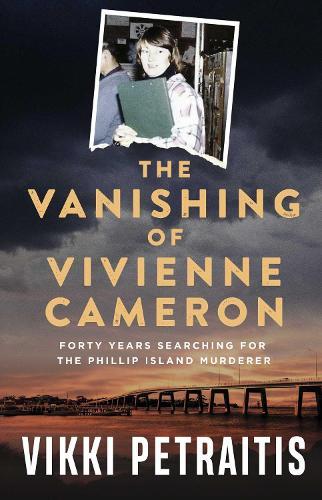
The Vanishing of Vivienne Cameron...
Forty Years Searching for the Phillip...
Paperback
$36.99
In Stock 😊