Bargains! PROMOTIONS


Megan Vaughan is Smuts Professor of Commonwealth History at Cambridge University. She is the author of several books including Cutting Down Trees: Gender, Nutrition, and Agricultural Change in the Northern Province of Zambia, 1890–1990 (with Henrietta L. Moore) and Curing Their Ills: Colonial Power and African Illness.
Creating the Creole Island is a riveting portrait of a slave-owning society. Megan Vaughan's elegant narrative combines rich and ground-breaking historical analysis with acute theorizing of human subjectivity. It will be of compelling interest to anyone concerned with the emergence of our modern 'creole' world. -Michael Lambek, author of The Weight of the Past: Living with History in Mahajanga, Madagascar Megan Vaughan has given us a vivid portrait of how a society was formed from the mixture of peoples and languages of eighteenth-century Mauritius. Slaves take the initiative here-one of the many new insights that Creating the Creole Island brings to history, literature, and anthropology. And the book is a wonderful read besides. -Natalie Zemon Davis, author of Women on the Margins: Three Seventeenth-Century Lives Creating the Creole Island offers an exciting and innovative approach to slave history in the eighteenth century. It is an extremely valuable resource for scholars working on slave histories from a variety of disciplinary angles. Its primary objective of historicizing the process of 'creolisation' contributes an invaluable dimension to current debates on ethnicity and identity in postcolonial Mauritius. -- Srilata Ravi Postcolonial Studies [P]owerful set of arguments about what it means to be a slave... [A] compellingly detailed tale... This is an important book of huge interest to Mauritian specialists and historians of the slave trade and slavery elsewhere, as well as scholars interested in questions of gender and identity. -- Clare Anderson American Anthropologist
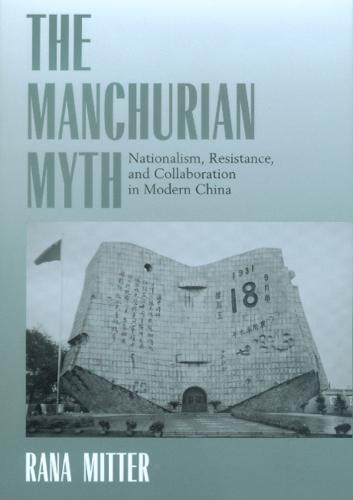
The Manchurian Myth
Nationalism, Resistance, and Collaboration...
Hardback
$114.95
Not in-store but you can order this
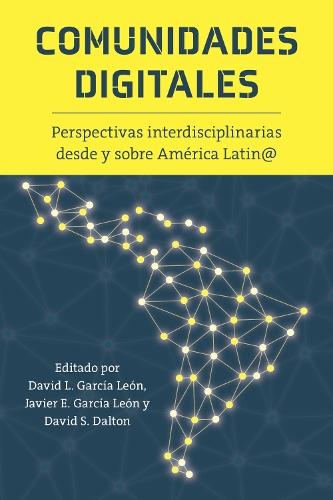
Comunidades Digitales
Perspectivas Interdisciplinarias...
Paperback
$69.99
Not in-store but you can order this
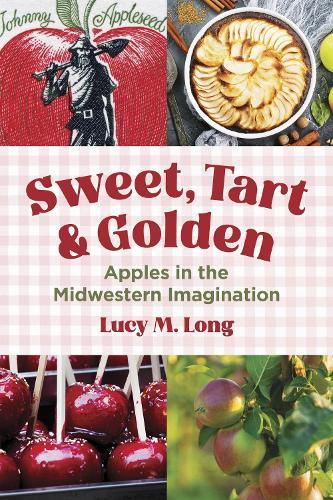
Sweet, Tart, and Golden
Apples in the Midwestern Imagination...
Paperback
$47.99
Not in-store but you can order this
The Bible and Zionism
Invented Traditions, Archaeology...
Paperback
$65.99
Not in-store but you can order this