PRIZES to win! PROMOTIONS


Lydia R. Cooper is Associate Professor of English at Creighton University
'In her foundational study of McCarthy's engagement with complex adaptive systems, Cooper gracefully assimilates historical, economic, environmental, and complexity studies, archival documents, and previous scholarship to explore McCarthy's cultural critique of the intersecting American systems of twentieth- and twenty-first-century economic imperialism, consumer capitalism, and criminal justice, and the disruption of complex ecological systems. Turning from problems to solutions in her later chapters, she shows how McCarthy's works advance an ethic of care for humans, animals, and the environment, and she examines the roles that storytelling and nomadism can play in promoting such an ethic. Wide-ranging and rich in new insights, this book impresses with its confident perception of the overarching values that unify McCarthy's body of work.' Dianne Luce, author of Reading the World: Cormac McCarthy's Tennessee Period -- .
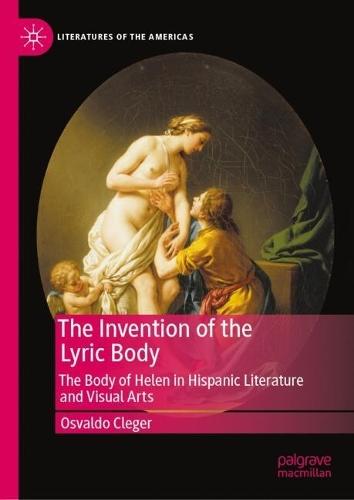
The Invention of the Lyric Body...
The Body of Helen in Hispanic Literature...
Hardback
$296.95 $237.35
Not in-store but you can order this
Required Reading
The Life of Everyday Texts in the...
Paperback
$69.99
Not in-store but you can order this
Paperback Crush
The Totally Radical History of '80s...
Paperback
$39.99
Not in-store but you can order this