PRIZES to win! PROMOTIONS


United States Library Of Congress is a widely used system for organizing library collections, primarily in large research and academic libraries. It categorizes knowledge into twenty-one broad classes using single letters of the alphabet, which are then subdivided into more specific subclasses with two- or three-letter codes. These subclasses cover various disciplines such as arts, sciences, history, and social sciences, each with a hierarchical structure that moves from broad to detailed subjects. The system employs alpha-numeric call numbers, incorporating numbers that indicate specific topics, authors, and publication years, facilitating precise cataloging and easy navigation. The classification is hierarchical but also flexible, allowing detailed subdivision of complex fields. Originally developed to meet the needs of the Library of Congress, it has been adopted globally, especially by large academic institutions. Despite some criticisms about its practical and organizational logic, LCC's structured approach aids in efficient shelving, cataloging, and research, making it a cornerstone of library science.
La pensée antiparlementaire et la...
Paperback
$79.95 $71.81
Not in-store but you can order this
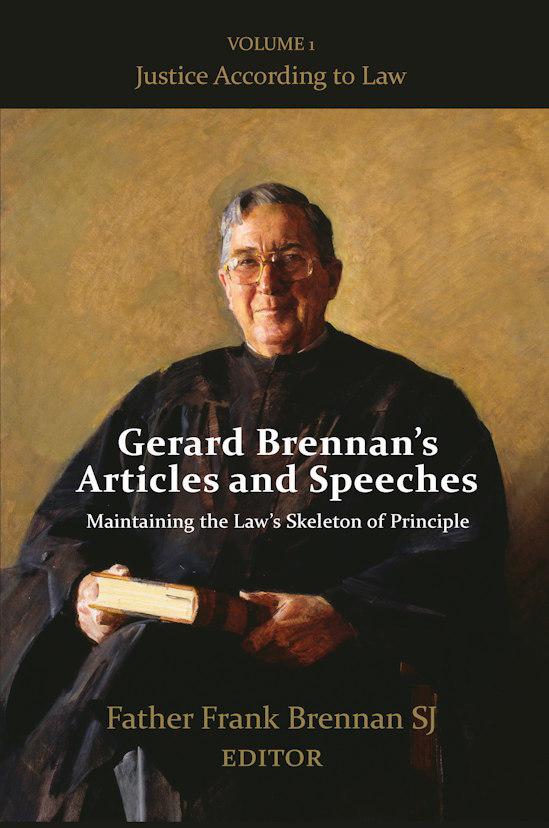
Gerard Brennan's Articles and Speeches...
Vol 1. Justice According to Law...
Hardback
$79.95
Not in-store but you can order this
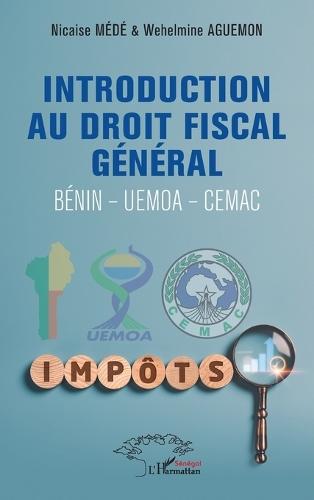
Introduction au droit fiscal général...
Bénin - Uemoa - Cemac
Paperback
$68.95 $61.90
Not in-store but you can order this
Les conservateurs apostoliques dans...
Paperback
$85.95 $72.86
Not in-store but you can order this