Bargains! PROMOTIONS


Denise M. Dudzinski is Professor in Bioethics & Humanities and Pediatrics, Division of Bioethics & Palliative Care at the University of Washington School of Medicine, Seattle. She is Director of the Ethics Consultation Service at UW Medicine and Director of Organizational Ethics at Seattle Children's Hospital. Kaarkuzhali Babu Krishnamurthy is Vice-Chair of the Department of Neurology, Division Head, Epilepsy and EEG, and Chair of the Ethics Committee at Boston Medical Center-Brighton. She is also a member of the Center for Bioethics at Harvard Medical School and a staff neurologist at Beth Israel Deaconess Medical Center in Boston, MA. Her clinical practice is focused on the care of women with epilepsy. Paul J. Ford specializes in ethical challenges in neurological diseases and directs the NeuroEthics Program at the Cleveland Clinic Foundation with a faculty appointment in the Case Western Reserve School of Medicine, Cleveland. He has performed more than two thousand ethics consultations and authored more than one hundred publications.
Shén Nóng Běncǎo Jīng
The Divine Farmer's Classic of Materia...
Paperback
$142.95
Not in-store but you can order this
Vaccines and Your Family
Separating Fact from Fiction
Hardback
$132.95
Not in-store but you can order this
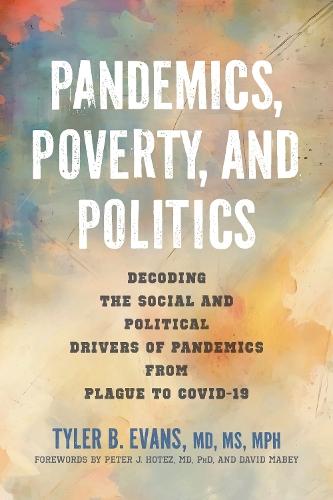
Pandemics, Poverty, and Politics...
Decoding the Social and Political...
Paperback
$106
Not in-store but you can order this