PRIZES to win! PROMOTIONS


Sarah Read is Associate Professor of English and Director of Professional and Technical Writing at Portland State University.
""Busting the Myth of the Communication Metaphor brings into sharp focus the various critiques of technical communication that scholars have had over the years, but with a lot more oomph. Read is clearly grappling with the field's role in (dis)organizing society, people, relations, allocating services, etc. and how facing up to that role can compel the field to do differently."" — Josephine Walwema, Coordinator, Technical and Professional Communication, University of Washington ""An excellent contribution to what is a new and very important aspect to our teaching and scholarly lives. This manuscript stuck with me and had me considering the ways I perpetuate in my own teaching the problems she discusses."" — Carla Kungl, Shippensburg University ""From the very start, this book challenges the reader to basically rethink everything we know about how writing works. Read argues that the 'Communication Metaphor' has invisibly shaped how we teach and understand writing, and maybe most importantly, she shows how our fundamental beliefs in how communication works are actively harmful to marginalized communities. The book is both an excellent analysis of the unexamined metaphorical language we use to talk about writing and an excellent historical account of how our basic beliefs have been conditioned by centuries of choices about 'proper writing.' The book is insightful, provocative, and an engaging page-turner with a strong voice and big, bold arguments. I hope it becomes required reading in our field."" — Jordan Frith, Clemson University
The Storytelling Book
Finding your golden thread for more...
Paperback
$24.99
Not in-store but you can order this
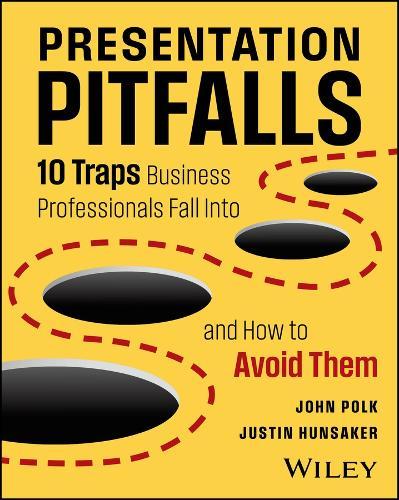
Presentation Pitfalls
10 Traps Business Professionals...
Paperback
$65.95
Not in-store but you can order this
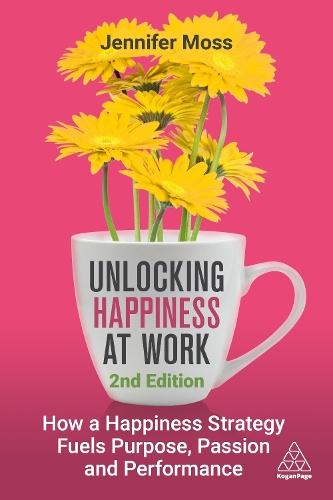
Unlocking Happiness at Work
How a Happiness Strategy Fuels Purpose,...
Paperback
$41.95
Not in-store but you can order this
Show AI--Don't Tell It
Build Buy-In with Visual Storytelling...
Hardback
$52.95
Not in-store but you can order this
A Story is a Deal
How to use the science of story...
Paperback
$32.99
Not in-store but you can order this