Beat the rise! Delivery fees are going up soon.


Dr. Robert Trybulski is a physiotherapist, combat sports coach, and academic researcher based in Poland. His scientific work focuses on the biological and physiological mechanisms of post-exercise recovery, with particular emphasis on microvascular regulation, neuromechanical muscle properties (tone, stiffness, elasticity), and pain modulation following high-intensity loading. His research integrates controlled experimental models with clinical practice, examining dose-dependent recovery interventions based on physical and manual stimuli, including compression, heat–cold therapy, contrast protocols, massage, lymphatic drainage, and dry needling. A central theme of his work is translating measurable physiological signals—microcirculatory parameters, autonomic markers, and neuromechanical indices—into reproducible, biologically grounded intervention protocols applicable in medicine and high-performance sport.
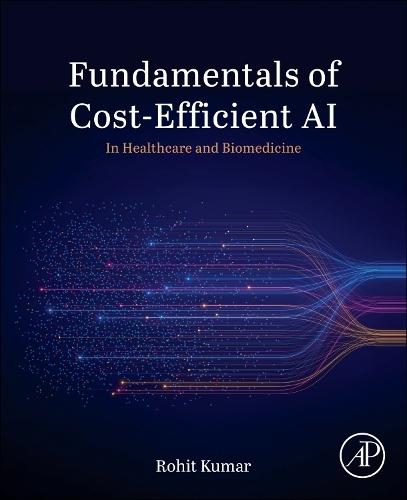
Fundamentals of Cost-Efficient AI...
In Healthcare and Biomedicine
Paperback
$353.95
Not in-store but you can order this
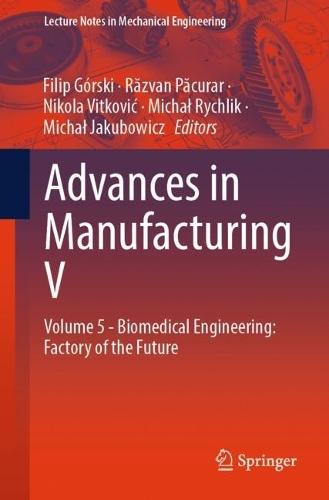
Advances in Manufacturing V
Volume 5 - Biomedical Engineering:...
Paperback
$445.95 $356.62
Not in-store but you can order this
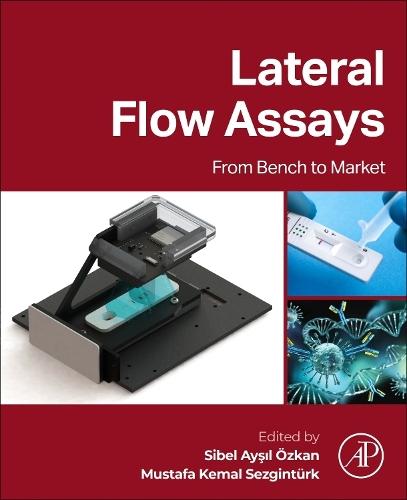
Lateral Flow Assays
From Bench to Market
Paperback
$334.95
Not in-store but you can order this