Bargains! PROMOTIONS


Robert McParland is Professor of English and the Humanities at Felician University, USA. He is a singer-songwriter who holds degrees in arts administration, literary studies, and cultural history. His books include Beyond Gatsby: How Fitzgerald, Hemingway and Other Writers of the 1920s Shaped American Literature (2015), Citizen Steinbeck (2016), and Rock Music Imagination (2019), all published by Bloomsbury.
Based upon Robert McParland’s evident familiarity with a wide variety of musicians and music scenes (rock, metal, jazz, folk, blues, R&B, hip hop, ska, and Christian), he makes the argument for strong connections between music, community, and ecology. His reasoning is buttressed by the use of literary and other non-musical sources, making for a truly transdisciplinary text. McParland’s considerable attention to the folk music community is especially welcome, since rock and pop music tends to be written about more frequently. Overall, this book will appeal to those interested in musical communities and environmentally-focused music and musicians. * David C. Wright Jr., Professor Emeritus of History, Misericordia University, USA *
Tiny Violin
Soundtrack for Your Sob Story
Mixed media product
$22.99
Not in-store but you can order this
This Angry Pen of Mine
Recovering the Journals of Layne...
Hardback
$69.99
Not in-store but you can order this
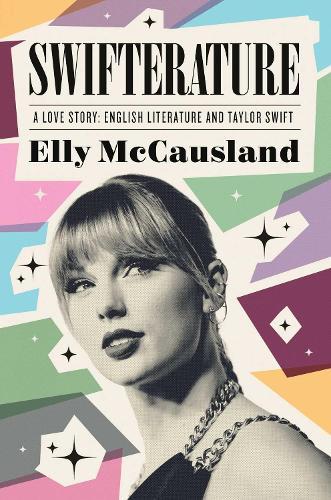
Swifterature
A Love Story: English Literature...
Hardback
$66.95
Not in-store but you can order this
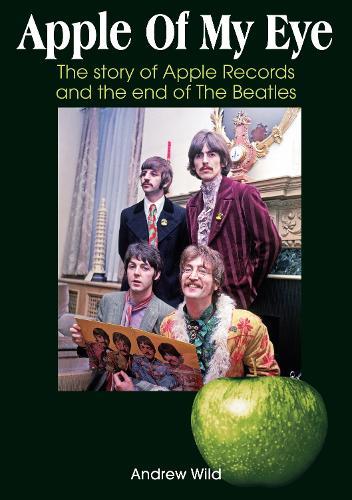
Apple Of My Eye
The Story Of Apple Records And The...
Address book
$42.99
Not in-store but you can order this