Bargains! PROMOTIONS


Angharad E. Beckett is Professor of Political Sociology and Social Inclusion at the University of Leeds and Affiliate Professor at the Department of Disability Studies, University of Malta. Miro Griffiths is Associate Professor in Social Policy and Disability Studies at the University of Leeds.
“Ableism as Violence offers a sharp framework for analysing the diffuse yet connected harms that shape disabled lives, serving as a powerful call to action for activists and scholars alike.” Steven Allen, Validity Foundation “Wow. This book makes it so easy to understand that ableism is a form of systemic violence that enables many other facets of societal violence, and that ableism is not a concept only of relevance for disabled people but of relevance for society as a whole. One can only hope that this book will be given to students as a resource in every class that covers societal topics.” Gregor Wolbring, University of Calgary “A timely, urgent and innovative book which puts a range of literatures into conversation to surface and better understand contemporary instances of violence against disabled people. The conceptualisations offered will undoubtedly shape and sharpen future research in this area. A vital and powerful read.” Beverley Clough, Manchester Law School “A bold and timely contribution revealing how ableism itself is a form of violence – systemic, everyday and structural – challenging us to confront injustice and reimagine disability rights.” Heng-Hao Chang, National Taipei University “With Ableism as Violence, Beckett and Griffiths have produced a vital book, confronting the multiple forms of violence that are produced through the systemic privileging of ableism in society.” Janice McLaughlin, Newcastle University “By explaining how ableism functions as a dispositif – dispersed across legal, medical, social and bureaucratic systems – this book will be a key reference point for seeking to understand the violence and social harms endured by disabled people and others.” Lucy Series, University of Bristol “As a lawyer engaged in the fight against abuse in some of the most dangerous places worldwide – locked facilities where children and adults are detained for their own ‘care’ – this book provides invaluable new advocacy tools. It opened my eyes to forms of violence I had overlooked stemming from misguided ways of thinking that put people in harm’s way.” Eric Rosenthal, Disability Rights International
Sudden Hearing Loss
Stories of Hope, Guidance, and Support...
Paperback
$52.99
Forthcoming
You can preorder this
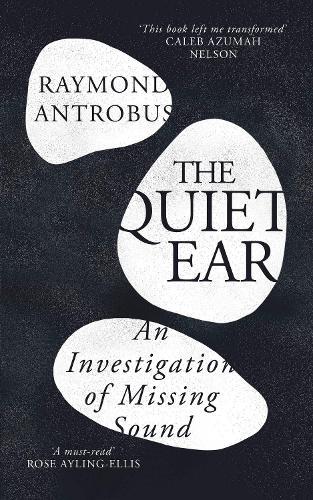
The Quiet Ear
An Investigation of Missing Sound:...
Paperback
$32.99
Forthcoming
You can preorder this
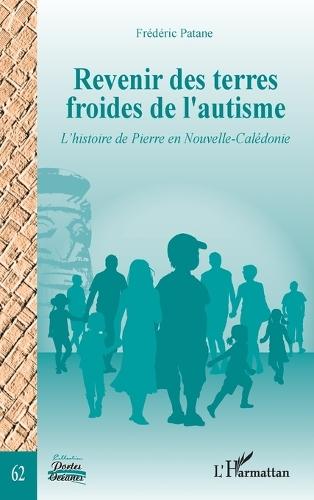
Revenir des terres froides de l'autisme...
L'histoire de Pierre en Nouvelle-Calédonie...
Paperback
$32.95 $29.27
Forthcoming
You can preorder this
Stratification Economics and Disability...
Hardback
$315.95 $253.15
Forthcoming
You can preorder this
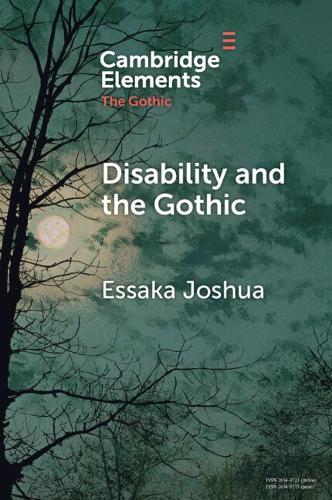
Disability and the Gothic
The Nineteenth Century
Paperback
$60.95 $51.51
Forthcoming
You can preorder this