PRIZES to win! PROMOTIONS


Jon M. Fox is a writer of experimental fiction, non-fiction and poetry. Born in the United States, Jon makes his home in Nueva Ecija Province in the Philippines. His fictional writing and poetry frequently focuses on the use of magical realism, largely stemming from his Yaqui Native American indigenous heritage and life experiences. His non-fiction writing focuses on historical topics and the social sciences. He received his PhD from Northcentral University. When he isn't reading or writing, he's busy with various community projects in the Philippines, and sharing his time with his wife and family.
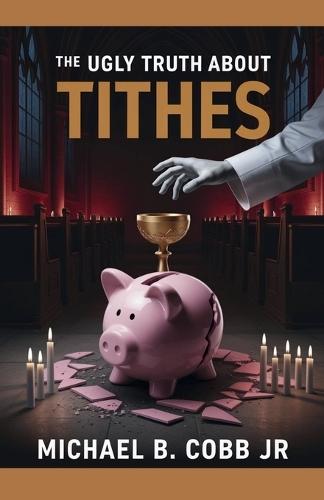
The Ugly Truth About Tithes
The Greatest Church Manipulation...
Paperback
$15.95
Not in-store but you can order this
Cult of the Dead
A Brief History of Christianity...
Paperback
$40.95
Not in-store but you can order this
Holy Fools
The Lives of Twenty Fools for Christ...
Paperback
$25.25
Not in-store but you can order this
Cult of the Dead
A Brief History of Christianity...
Hardback
$49.95
Not in-store but you can order this