Beat the rise! Delivery fees are going up soon. INFO


Martin J. Boord (Rig-'dzin rdo-rje) became a devoted Buddhist after visiting India and Nepal as a teenager in 1967, and immediately began studying Sanskrit to read original texts. In his early twenties, he studied with Lama Khamtrul Yeshe Dorje, Chhimed Rigdzin Rinpoche, and Dudjom Rinpoche. After meeting Chhimed Rigdzin Rinpoche during a pilgrimage to Sarnath in 1973, Boord settled in Cornwall in 1974 and established a small dharma center with his wife. He invited Chhimed Rigdzin Rinpoche to Britain in 1979-80 to begin transmission of the Northern Treasures Vajrakīla teachings in Europe.Boord earned a Bachelor of Arts in Religious Studies (Buddhism) and later received his doctorate from the School of Oriental and African Studies at the University of London for his thesis The Cult of the Deity Vajrakīla (published 1993, revised as Gathering the Elements, 2013). He subsequently lived in Oxford, dedicating himself to translating tantric texts related to the deity Vajrakīla.Dr. Boord is recognized as a leading Western scholar of the Northern Treasures (Byang-gter) tradition. His major publications include the five-volume Vajrakīla Texts of the Northern Treasures Tradition series, translations of Padmasambhava's teachings, works on Avalokiteśvara funeral rituals, and numerous studies on the Hidden Lands of Rigzin Godem. He currently lives in quiet seclusion in the Cotswolds with his wife, continuing his work on translation and scholarship of Tibetan Buddhist texts. Padmasambhava (Guru Rinpoche), an eighth-century Indian Buddhist mystic, introduced Tantric Buddhism to Tibet and is credited with establishing the first Buddhist monastery there. Known as Guru Rinpoche (""Precious Master""), he is considered the founder of Tibetan Buddhism and regarded as a fully enlightened being, a buddha.According to early Tibetan sources, Padmasambhava came to Tibet in the eighth century and designed Samye Monastery during the reign of King Trisong Detsen. Working alongside the king and scholar Shantarakshita, he helped create the Tibetan Buddhist canon by translating sutras and tantras into Tibetan. He opened the mandala of vajrayana teachings in the caves of Chimphu above Samye to twenty-five disciples, including his principal consort and scribe, Yeshe Tsogyal.As an author, Padmasambhava's relationship to texts is unique. He concealed spiritual treasures known as terma-teachings hidden in the earth and in the minds of disciples-to be revealed at appropriate times by treasure revealers called tertöns. Out of his great compassion and wisdom, he instructed his main disciple Yeshe Tsogyal to conceal terma treasures to be revealed at the destined time for future practitioners. These teachings, recorded and preserved primarily by Yeshe Tsogyal, form a vast corpus of Vajrayana literature that continues to be discovered and transmitted through the terma tradition. Thus, Padmasambhava functions as both direct teacher and indirect author-his oral instructions were transcribed by disciples, particularly Yeshe Tsogyal, and his concealed teachings continue to emerge through visionary revelation centuries after his lifetime. Vimalamitra was an Indian Dzogchen master who translated, composed, and concealed central tantric teachings of the Nyingma tradition during the eighth century reign of King Trisong Detsen. According to traditional accounts, he was born in India and mastered the sutra-based scriptures before traveling to China to receive the Nyingtik teachings from Śrī Siṃha. After achieving realization in China, he returned to India, and only then, at over one hundred years of age, entered Tibet.Vimalamitra was invited to Tibet in the ninth century, where he taught extensively for thirteen years. He is regarded as one of the three main forefathers for establishing the Dzogchen teachings, especially the Instruction Section, in Tibet, transmitting primarily to King Trisong Detsen, Prince Muney Tsenpo, Tingdzin Sangpo of Nyang, Kawa Paltsek, and Chokro Lui Gyaltsen. At Yangleshö in Nepal, he joined Padmasambhava and the Newar yogi King Shilamanju, and together these three masters compiled and systematized all the Vajrakīlaya teachings they had received.After translating profound instructions, Vimalamitra concealed the texts at Samye Chimphu for future generations, and upon his departure to the Five-peaked Mountain in China, he promised to return once every century to clarify and propagate the secret teachings. According to contemporary Nyingma accounts, he achieved the rainbow body in China. As an author, Vimalamitra's relationship to texts operates through both direct composition during his lifetime and the terma tradition-his concealed teachings, known as the Vima Nyingtik (Secret Heart Essence of Vimalamitra), continue to be revealed by treasure discoverers according to the needs of successive generations.
Mandalas
Mapping the Buddhist Art of Tibet...
Paperback
$51.95
Not in-store but you can order this
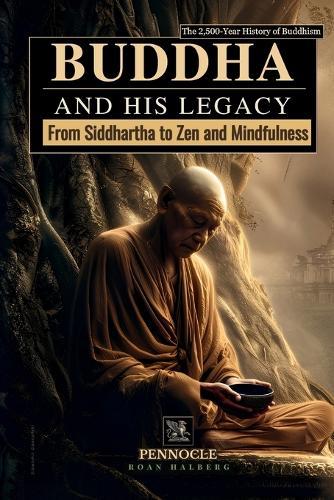
Buddha and His Legacy
From Siddhartha to Zen and Mindfulness:...
Paperback
$58.95 $50.45
Not in-store but you can order this
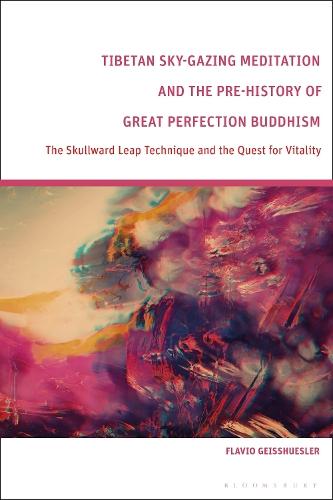
Tibetan Sky-Gazing Meditation and...
The Skullward Leap Technique and...
Paperback
$59.99
Not in-store but you can order this
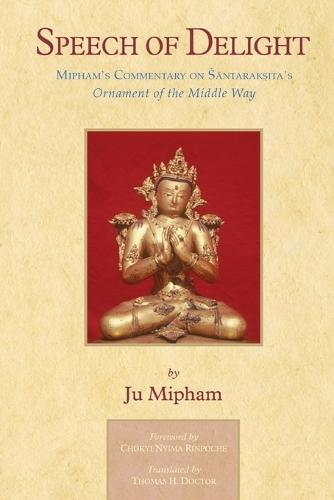
Speech of Delight
Mipham's Commentary on Santaraksita's...
Paperback
$130
Not in-store but you can order this