Bargains! PROMOTIONS


A. Andrew Das is Niebuhr Distinguished Chair and Professor of Religious Studies at Elmhurst University and a specialist in early Christianity and in the life and letters of Paul. His recent books include Remarriage in Early Christianity (2024), Scripture, Texts, and Tracings in Galatians and 1 Thessalonians (2023), Scriptures, Texts, and Tracings in 2 Corinthians and Philippians (2022), and Scripture, Texts, and Tracings in Romans (2021).
""Andrew Das has produced a commentary on 1 and 2 Thessalonians that is, on the one hand, carefully researched and reflects the best of both past and current scholarship, and yet, on the other hand, is concise and clear in its conclusions. Students of Scripture, preachers, and biblical scholars alike will benefit much from this excellent explanation of Paul's two letters to the Christian community in Thessalonica."" --Jeffrey A. D. Weima, Deppe Family Doctoral Chair in New Testament, Calvin Theological Seminary ""A. Das has wrought quite a feat to produce a fine scholarly commentary on 1 and 2 Thessalonians in a very compact form. He interprets the text mainly in critical interaction with other contemporary commentators while also reflecting on the comments of some theologians and church leaders from the second to the early twentieth century. This commentary is a boon especially to busy pastors."" --Seyoon Kim, Senior Professor of New Testament, Fuller Theological Seminary ""Andrew Das has produced a commentary on 1 and 2 Thessalonians that is, on the one hand, carefully researched and reflects the best of both past and current scholarship, and yet, on the other hand, is concise and clear in its conclusions. Students of Scripture, preachers, and biblical scholars alike will benefit much from this excellent explanation of Paul's two letters to the Christian community in Thessalonica."" --Jeffrey A. D. Weima, Deppe Family Doctoral Chair in New Testament, Calvin Theological Seminary ""A. Das has wrought quite a feat to produce a fine scholarly commentary on 1 and 2 Thessalonians in a very compact form. He interprets the text mainly in critical interaction with other contemporary commentators while also reflecting on the comments of some theologians and church leaders from the second to the early twentieth century. This commentary is a boon especially to busy pastors."" --Seyoon Kim, Senior Professor of New Testament, Fuller Theological Seminary
Armageddon
What the Bible Really Says about...
Paperback
$39.95
Not in-store but you can order this
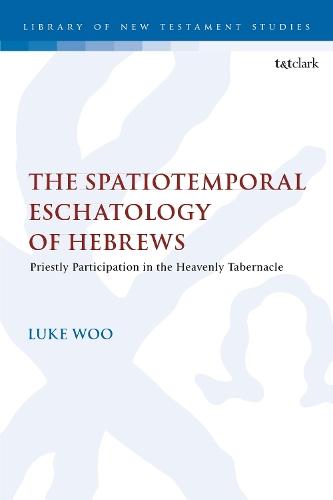
The Spatiotemporal Eschatology of...
Priestly Participation in the Heavenly...
Paperback
$59.99
Not in-store but you can order this
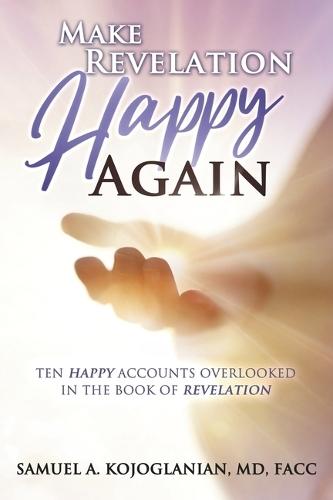
Make Revelation Happy Again
Ten Happy Accounts Overlooked in...
Paperback
$34.99
Not in-store but you can order this
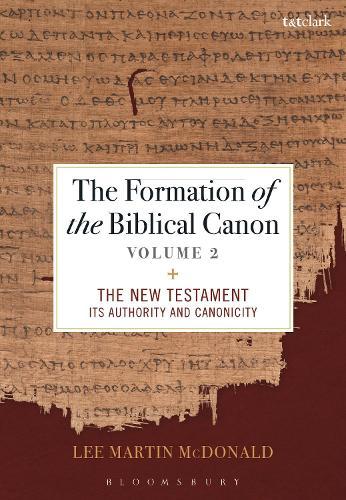
The Formation of the Biblical Canon...
Volume 2: The New Testament: Its...
Paperback
$69.99
Not in-store but you can order this