PRIZES to win! PROMOTIONS


Stefan Collini has become one of the most respected voices in public debates about universities and their place in modern society.He is a Professor of Intellectual History and English Literature at Cambridge University and Fellow of the British Academy, who frequently contributes to The Guardian,The London Review of Books,The Times Literary Supplement and The Nation.Reviewers of the recent, Common Reading: Critics, Historians,Publics (2008), described him as 'one of Britain's finest essaysists and writers.'Other works include Absent Minds: Intellectuals in Britain (2006),Public Moralists (1991),Matthew Arnold: a Critical Portrait (1994) and English Pasts: Essays in History and Culture (1999).
An eloquent and impassioned book Economist Collini is astute, analytical, and often killingly funny -- Bevis Hillier Daily Telegraph Collini is that rare bird, a don who can be read with pleasure -- Michael Barber Tablet, Books of the Year One of Britain's finest essayists and writers -- Ronan McDonald The Times Higher Education Supplement [A] timely lecture for the coalition of dunces ... this is a closely argued defence Independent on Sunday The book is a bit like some university courses. It is erudite, well argued, carefully researched, a fine addition to the debate about the purpose of university education Scotsman [Collini is] stern and splendid in his brief history of the hot debate on useful versus useless knowledge -- Fred Inglis Times Higher Education It is extremely well written: Collini's prose is lively, well-reasoned and persuasive. The book is a refreshing example of a faculty member engaging with the wider issues of higher education rather than perceiving them through the narrow prism of his own discipline ... a valuable, timely contribution to the discourse -- Gerry Wrixon Irish Examiner A critique both pointed and witty -- Howard Newby Independent Collini writes beautifully -- Chris Patten Financial Times Collini puts his finger on the nub of the problem facing universities. Collini's book is a must-read -- Ac Grayling Literary Review
Advanced Technologies and the University...
Paperback
$296.95 $237.35
Not in-store but you can order this
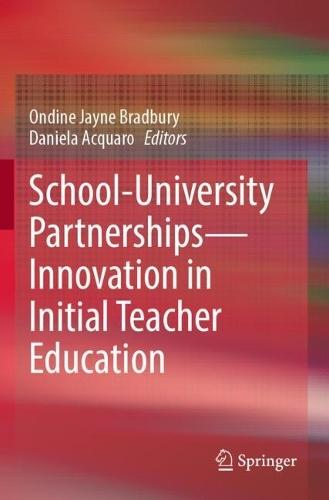
School-University Partnerships—Innovation...
Paperback
$251.95 $201.58
Not in-store but you can order this
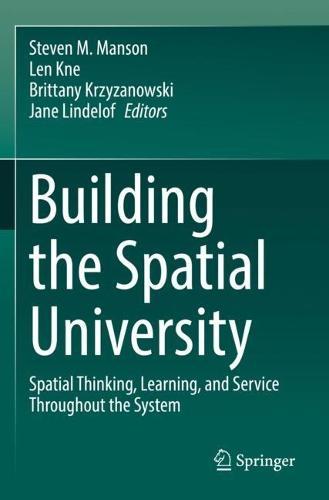
Building the Spatial University...
Spatial Thinking, Learning, and...
Paperback
$326.95 $261.21
Not in-store but you can order this
Essential Study Skills
The Complete Guide to Success at...
Paperback
$54.95 $47.12
Not in-store but you can order this
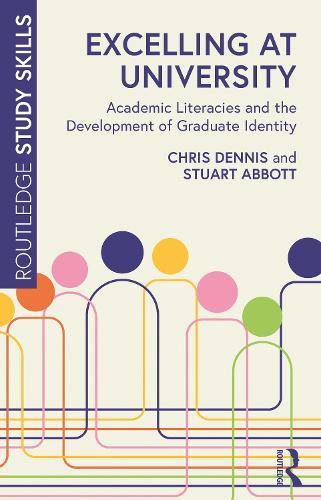
Excelling at University
Academic Literacies and the Development...
Paperback
$63.95 $54.52
Not in-store but you can order this