Bargains! PROMOTIONS


In s Cagnati (1937-2007) was born in Monclar, France, in the Aquitaine region of Lot-et-Garonne, and died in Orsay. The child of Italian immigrants, she became a French citizen but never considered herself French. With a bachelor's degree in modern literature and a certificate for secondary-school instruction, she worked as a professor of literature at the Lycee Carnot in Paris. Cagnati was the author of four prize-winning books- Le Jour de conge (Free Day, 1973); Genie la folle (1976); Mose, ou Le Lezard qui pleurait (1979); and Les Pipistrelles (1989). Liesl Schillinger is a literary critic, writer, and translator, and teaches journalism and criticism at the Eugene Lang College of Liberal Arts of the New School for Social Research in New York City. Her articles, reviews, and essays have appeared in The New York Times, Foreign Policy, The New York Review of Books, The New Yorker, The New Atlantic, The Washington Post, and other publications. She has translated works by Alexandre Dumas fils, Natasa Dragnić, Jean Echenoz, and others, and is the author of Wordbirds- An Irreverent Lexicon for the 21st Century. In 2017 she was named a Chevalier of the Order of Arts and Letters of France.
Galla's interior monologue unspools as she cycles, gradually revealing the daily miseries and notable occurrences of her life. Like Holden Caulfield, she's critical of adult hypocrisies, resenting 'godmothers [who] never give us anything, ' but alive to the possibilities of the natural world. Readers will be invested in this young woman's demand for dignity. --Publishers Weekly In Free Day Ines Cagnati shows herself to be a remarkable storyteller who is also an explorer of the psychological depths. Her terse words capture her young character's inner struggle and grief. There is something both of Chekhov and Katherine Mansfield here. --Le Monde The reader's heart aches right from the start of Free Day. The tone is sober, yet intimate. The world of the book is claustrophobic, the heroine's situation unbearably moving, the storytelling almost devilishly deft. Is it a masterpiece? It is certainly a revelation. --L'Express
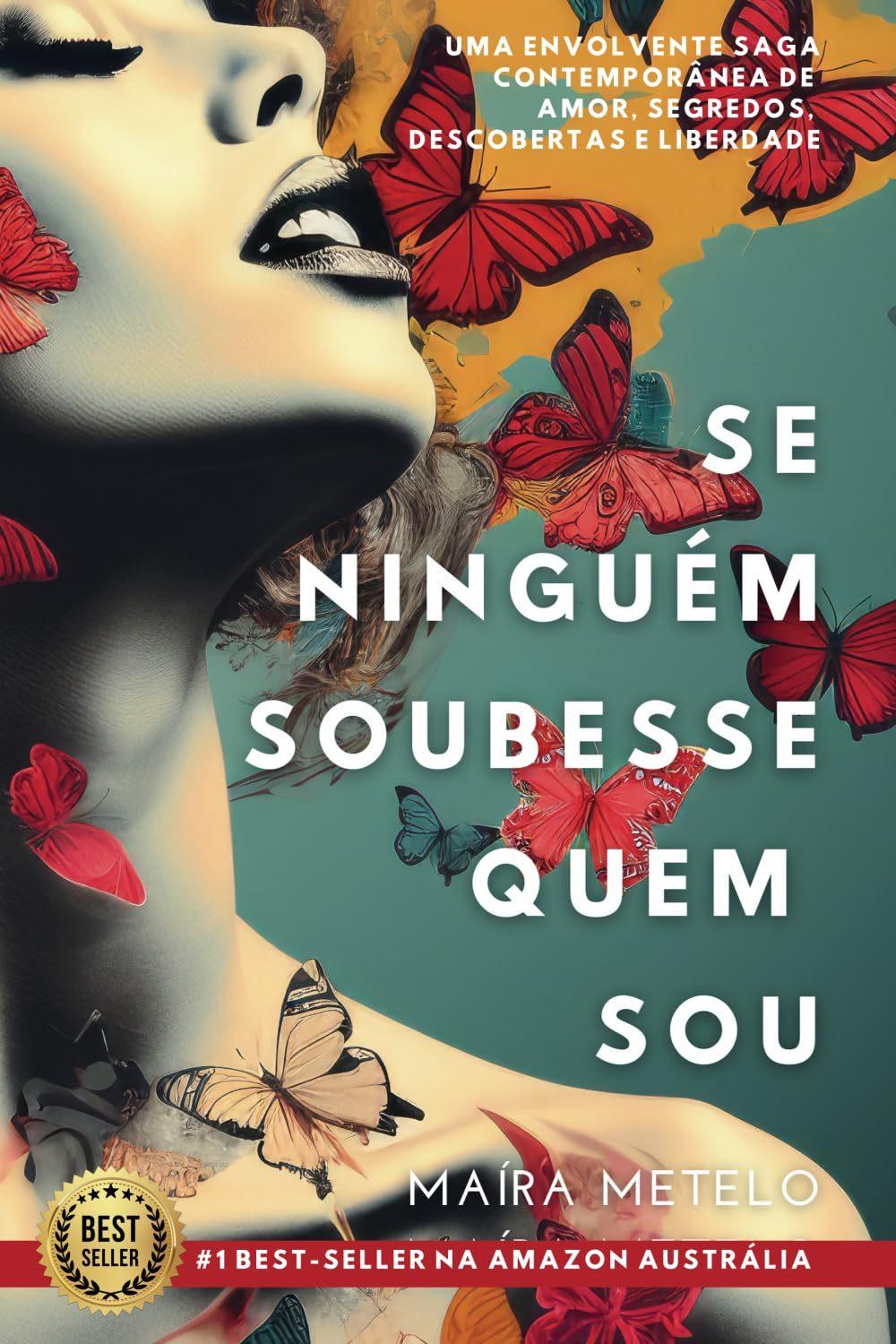
Se Ninguem Soubesse Quem Sou
Only If You Don't Know Me - Brazilian...
Paperback
$34.95
In Stock 😊