Bargains! PROMOTIONS


Holli Levitsky is the founder and Director of the Jewish Studies Program and Professor of English at Loyola Marymount University in Los Angeles. Her research and scholarship focus on Holocaust representation and questions of (Jewish) identity, especially as it relates to exile and displacement. She is the co-editor of, The Literature of Exile and Displacement: American Identity in a Time of Crisis (2013), and Summer Haven: The Catskills, the Holocaust and the Literary Imagination, an edited collection of literature and scholarship with sociologist and Catskills expert Phil Brown (September 2014). In 2001-2002, Dr. Levitsky held the Fulbright Distinguished Chair in American Literature in Poland. She has participated in symposia, conferences, and study trips to Germany and to Poland to advance German-Jewish and Polish-Jewish understanding. She regularly leads workshops for secondary and college teachers in California and in Warsaw on teaching the Holocaust. Phil Brown is University Distinguished Professor of Sociology and Health Sciences at Northeastern University, where he directs the Social Science Environmental Health Research Institute. He is Founder and President of the Catskills Institute, which maintains the largest archive in the world of material relating to the Jewish experience in the Catskills. He is author of Catskill Culture: A Mountain Rat's Memories of the Great Jewish Resort Area (1998) and editor of In the Catskills: A Century Of The Jewish Experience In The Mountains (2002). His work in environmental health includes No Safe Place: Toxic Waste, Leukemia, and Community Action (with Edwin Mikkelsen, 1990; revised edition 1997), Illness and the Environment: A Reader in Contested Medicine (with J. Stephen Kroll-Smith and Valerie Gunter, 200), Social Movements in Health (with Stephen Zavestoski 2005), Toxic Exposures: Contested Illnesses and the Environmental Health Movement (2007), and Contested Illnesses: Citizens, Science and Health Social Movements (with Rachel Morello-Frosch and Stephen Zavestoski, 2012).
Evoking times of great pleasure interwoven with fear and mourning, this rich collection of fiction, essays, memoirs, and inter-generational reflections shows that the Catskills, a holiday refuge, was still intimately connected to the Holocaust. Summer Haven sets the sharply rendered details of local history in a vital international context. --Eric J. Sundquist, Andrew W. Mellon Professor of the Humanities, Johns Hopkins University, author of Strangers in the Land: Blacks, Jews, Post-Holocaust America
The Secret Lives of Booksellers...
True Stories of the Magic of Reading...
Paperback
$36.99
In Stock 😊
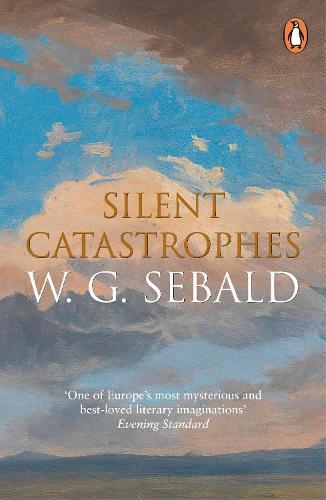
Silent Catastrophes
Essays in Austrian Literature
Paperback
$26.99
Not in-store but you can order this
Breaking into Japanese Literature...
Seven Modern Classics in Parallel...
Paperback
$39.99
In Stock 😊
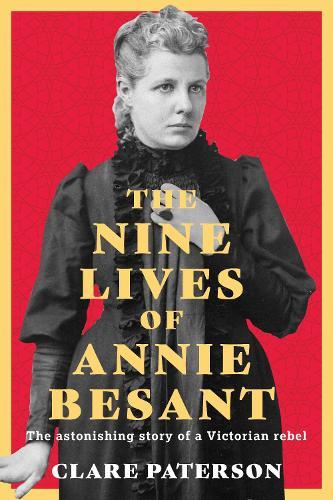
The Nine Lives of Annie Besant
The Astonishing Story of a Victorian...
Hardback
$54.99
In Stock 😊