Bargains! PROMOTIONS


DANIEL PERDUE (1950-2013), was a 1983 graduate of the University of Virginia's prestigious PhD program in Buddhist Studies, where he studied basic debate procedures under Lati Rinpoche, Denma Loch Rinpoche, and Kensur Yeshi Thupten. Perdue followed up on his study of Buddhist debate in America with travel to Geshe Rabten's Tharpa Choeling Monastery in Switzerland and the four main Ge-luk-ba monasteries reestablished in India. Subsequently, he wrote a dissertation on Tibetan Buddhist debate with thesis director Professor Jeffrey Hopkins. After graduating, he furthered his understanding of Buddhist debate with nearly three years of additional research with Tibetan scholars exiled in India. Perdue has taught the procedures and topics of Buddhist debate at numerous colleges, including Antioch University's program in Buddhist Studies in Bodh Gaya, India; Virginia Tech; North Carolina State University; Sweet Briar College; Washington and Lee University; the College of William and Mary; James Madison University; and Virginia Commonwealth University; as well as at Buddhist centers in America and Europe. He is the author of Debate in Tibetan Buddhism and was a board member of the UMA Institute for Tibetan Studies.
""Lucidly written with a conversational style, this book beckons you into a shining world of rational insight, glistening with light, and reveals how to utilize the gifts of your own mind. Magnificent, highly accessible.”—Jeffrey Hopkins, author of Meditation on Emptiness ""In the great monastic universities of Tibet, two modes of learning were central: memorization and debate. Tibetan debate is known in the West more for its color than for its content. Daniel Perdue explains with patient clarity just how Tibetan monastic debate works.”—Donald S. Lopez Jr., author of From Stone to Flesh: A Short History of the Buddha ""Daniel Perdue’s book presents in a lucid and engaging manner the methods and practice of the remarkable debate system of Tibetan monastic education. For the first time, the contemporary English reader has the chance to experience the clarity, swiftness, and precision of thinking that the Tibetan debate training is so famous for.”—Thupten Jinpa, principal English translator to H.H. the Dalai Lama and author of Essential Mind Training
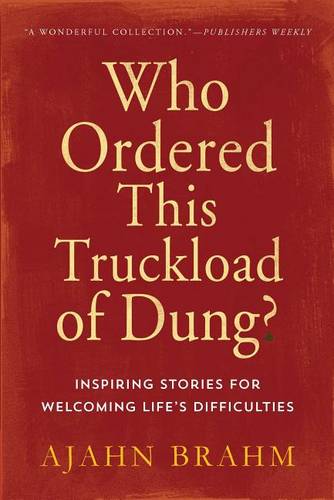
Who Ordered This Truckload of Dung?...
Inspiring Stories for Welcoming...
Paperback
$39.95
Not in-store but you can order this
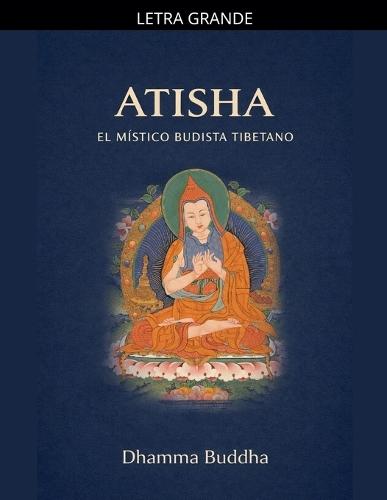
Atisha
El Místico Budista Tibetano
Paperback
$111.95 $89.85
Not in-store but you can order this
The Zen of Cat
An A–Z of Japanese feline philosophy...
Paperback
$24.99
Not in-store but you can order this