Beat the rise! Delivery fees are going up soon.


Gabriel Garroum Pla is a Postdoctoral Researcher at Pompeu Fabra University (UPF).
'Urbicide in Syria: A Postcolonial understanding of civil war by Gabriel Garroum Pla is a polished and cohesive study of how war, through its tendency to destroy urban space, works to simultaneously construct and reinforce political subjectivities. Published as part of the Manchester University Press series on 'Identities and Geopolitics in the Middle East', the book certainly makes a significant contribution to this broad theme. Specifically, it does so by focusing on the concept of urbicide - that is urban destruction and spatial violence - during the Syrian conflict since 2011 and its postcolonial resonance... The sudden fall of the Assad regime in December 2024 does nothing to lessen the relevance of Urbicide in Syria. Rather, the work's value can be considered timeless, and perhaps especially timely at present.' Thomas McGee, British Journal of Middle Eastern Studies -- .
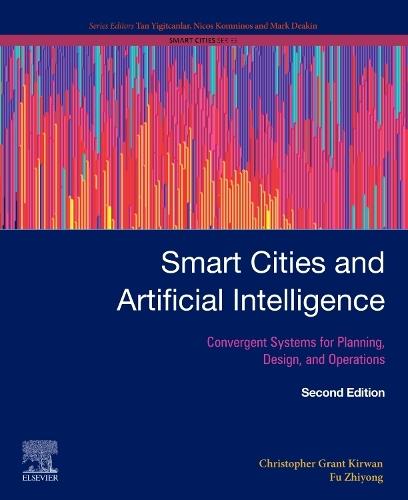
Smart Cities and Artificial Intelligence...
Convergent Systems for Planning,...
Paperback
$239.95
Not in-store but you can order this
The Place for a Village
How nature has shaped the city of...
Paperback
$39.95
Not in-store but you can order this
Abolish Rent
How Tenants Can End the Housing...
Hardback
$79.99
Not in-store but you can order this
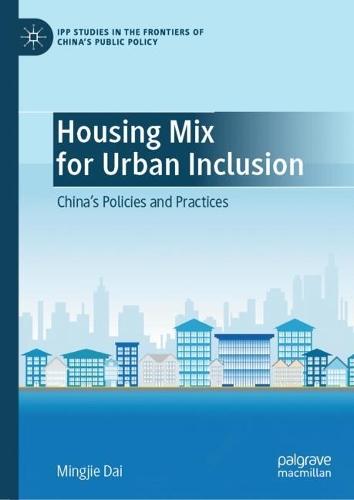
Housing Mix for Urban Inclusion...
China’s Policies and Practices
Hardback
$266.95 $213.50
Not in-store but you can order this
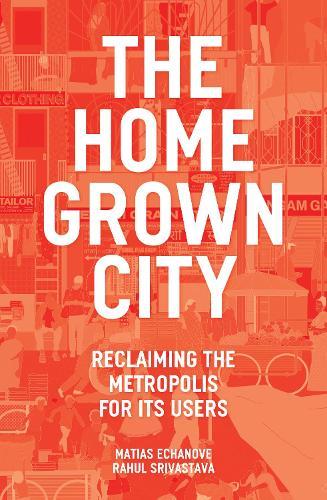
The Homegrown City
Reclaiming the Metropolis for its...
Paperback
$42.99
Not in-store but you can order this