Beat the rise! Delivery fees are going up soon. INFO


Christos Malatras has graduated from the University of Crete in Greece (BA and MPhil) and the University of Birmingham in 2013 (Phd). He has since then received fellowships in different institutions in Turkey, Greece, USA and Germany. He has taught Byzantine History in the Democritus University of Thracethe, the University of Thessaly and the University of Ioannina. He has published on social and political history in Late Byzantium, on middle Byzantine provincial administration and sigillography, and on Byzantine identity.
This study of late Byzantine social structure is notable for the way the author has abandoned any preconceptions about the character of Byzantine society. These mostly derived from either comparing Byzantium or assimilating it to other societies: the Medieval West in particular. Instead, the author confronts Byzantium on its own terms, thus allowing it to emerge in all its bewildering complexity. If it does not fit any obvious patterns so much the better. Christos Malatras is to be congratulated on a very considerable achievement, which is founded on the mastery of an impressive range of sources. -- Michael Angold, University of Edinburgh
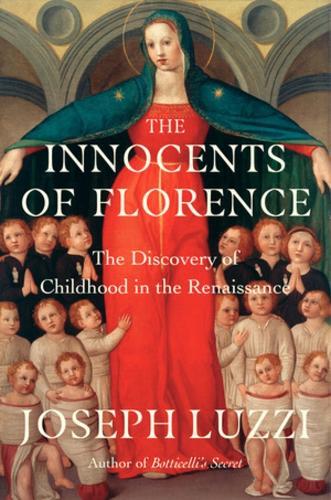
The Innocents of Florence
The Renaissance Discovery of Childhood...
Hardback
$49.95
In Stock 😊