PRIZES to win! PROMOTIONS


Daniel P. Bolger currently serves as Chief of Staff of the 2d Infantry Division in Korea. His previous assignments include duty as J-5 (Director Strategy & Analysis) in U.S. Joint Forces Command in Norfolk, Virginia; command of the 2d Brigade, 2d Infantry Division in Korea; duty as G-3 (operations officer) and Infantry battalion commanderwith the 101st Airborne Division at Fort Campbell, Kentucky; an earlier assignment as a major with an Infantry battalion in Korea with the 2d Infantry Division; and service from platoon leader through rifle company commander with the 24th Infantry Division, then at Ft. Stewart, Georgia. A graduate of the U.S. Army War College at Carlisle Barracks, Pennsylvania and the U.S. Army Command & General Staff College at Fort Leavenworth, Kansas, Bolger also taught at the U.S. Military Academy at West Point, New York. He holds a doctorate in history from the University of Chicago. Presidio Press has also published his books Dragons at War; Americans at War; Savage Peace; the Battle for Hunger Hill; and the military novel Feast of Bones.
If Bolger is as good a soldier as he is a writer, he may become the first four-star general to also win a Pulitzer Prize. <br>- Booklist <br> Infantry conjures many images: uncomfortable conditions, savage close combat, constant patrols, and the thousand-mile stare. Our popular media gives the impression that the wonders of precision weapons can win wars without subjecting the soldiers of modern militaries to these conditions . . . . The American way of war has always emphasized sending bullets, not men, a historical structure that continues in the current force structure. . . . Bolger's choice of operations illustrates two key points; first, that modern warfare has not made the infantry obsolete, and second, even very contemporary military history can be quite valuable in contemplating future combat. <br>-DR. SHAWN WHETSTONE<br> Military Heritage
Roman Soldier vs Dacian Warrior...
Dacian Wars AD 85–106
Paperback
$34.99
Not in-store but you can order this
Tanks in the Philippines 1944–45...
The Biggest Armored Clashes of the...
Paperback
$24.99
In Stock 😊
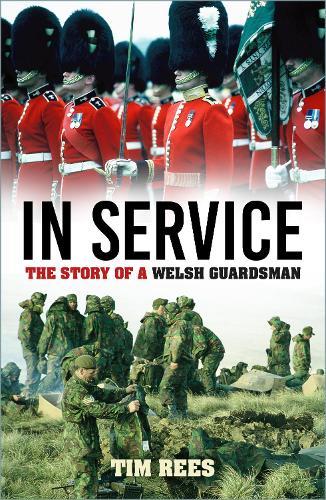
In Service
The Story of a Welsh Guardsman
Paperback
$36.95
Not in-store but you can order this
The 'Grossdeutschland' Division...
The German Army's premier combat...
Paperback
$29.99
Not in-store but you can order this