PRIZES to win! PROMOTIONS


Born in 1801, John Henry Newman was educated at Oxford. He was a leading Anglican clergyman until his conversion to Roman Catholicism in 1845. A theologian of enormous influence, he is also considered one of the great English stylists of the nineteenth century; his autobiography, the Apologia Pro Vita Sua, is hailed as a literary classic. James Gaffney is a Newman scholar and the chairman of the religious studies department at Loyola University in New Orleans.
Ultramontanism and Tradition
The Role of Papal Authority in the...
Paperback
$68.95 $58.84
Not in-store but you can order this
Scarf or Stole at Ordination?
A Plea for the Evangelical Conscience...
Paperback
$15.95
Not in-store but you can order this
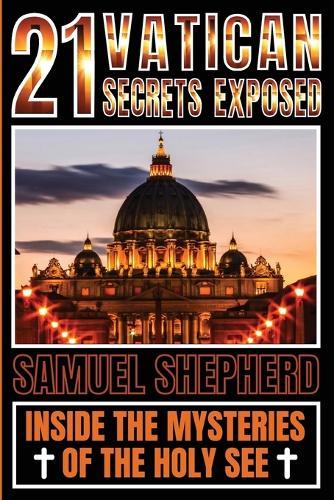
21 Vatican Secrets Exposed
Inside The Mysteries Of The Holy...
Paperback
$41.95 $35.33
Not in-store but you can order this
The War of the Jews and the Destruction...
(7 Books in 1, Large Print) (1)...
Paperback
$62.95 $53.65
Not in-store but you can order this
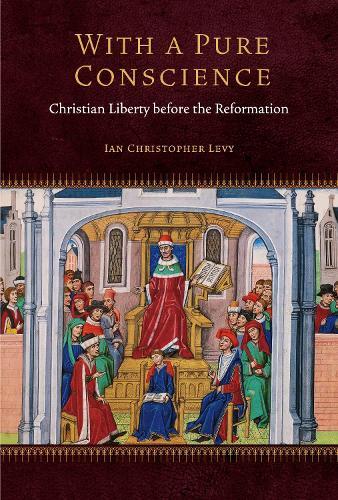
With a Pure Conscience
Christian Liberty Before the Reformation...
Hardback
$152.95 $122
Not in-store but you can order this
Obligado por la verdad
Autoridad, obediencia, tradición...
Hardback
$82.95 $70.62
Not in-store but you can order this