PRIZES to win! PROMOTIONS


Dr. Joël Fleurence, PhD, is a Professor of Marine Biology and Biochemistry at Nantes University in the ISOMER laboratory. In 1985, he began his research career in the pharmaceutical industry at the French Company Roussel-Uclaf. In 1990, he was recruited by the Institute of Valorization of Seaweeds to lead research about the chemical composition and nutritional properties of macro-algae. He contributed to French regulation on marine algae used as sea vegetables. His research mainly focuses on the use of seaweed proteins in human nutrition. Dr. Ira A. Levine, PhD is a Professor Emeritus at the University of Southern Maine and the CEO of the Algae Foundation. He has previously been awarded a 2009–2010 US State Department, Fulbright New Century Scholar and the 2016–2017 Fulbright Distinguished Chair Fellowship. He combines 40 years of applied and basic research in the physiological ecology and cultivation of algae, aquatic and farming management. His farming experience includes open-ocean and pond cultivation in Canada, China, Indonesia, Japan, Malaysia, Philippines, and the United States. As the CEO of the Algae Foundation, he is currently focused on algal-based workforce development, education, and training in the United States and 100 other countries.
Introduction to Pharmaceutical Technology...
Journey from Lab to Shelf of Commercial...
Paperback
$272.95
Not in-store but you can order this
Breakthrough
The Quest for Life-Changing Medicines...
Paperback
$24.99
Not in-store but you can order this
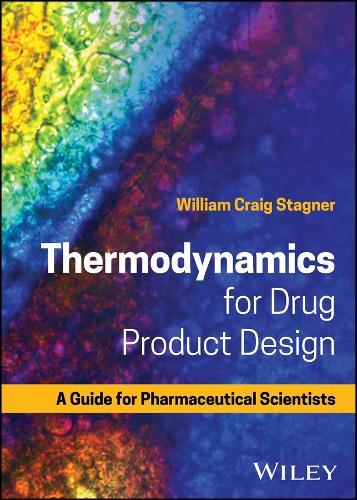
Thermodynamics for Drug Product...
A Guide for Pharmaceutical Scientists...
Hardback
$240.95
Not in-store but you can order this
Advances in Probiotic Delivery Systems...
Strategies for Enhanced Viability,...
Paperback
$318.95
Not in-store but you can order this
Drug Metabolism and Pharmacokinetics...
Frontiers, Strategies, and Applications...
Hardback
$472.95
Not in-store but you can order this