Beat the rise! Delivery fees are going up soon. INFO


Cristina Santini is Associate Professor at Università Telematica San Raffaele, in Rome, Italy. Her research interests are: management, business strategy, entrepreneurship, agrifood industry, qualitative and participatory approach, wine business, ecopreneurship and sustainability. Alessio Cavicchi is Associate Professor at University of Macerata (Italy), where he teaches ""Food Economics and Marketing"" and ""Place Branding and Rural Development"" in the degree of International Tourism and Destination Management. He received his PhD in Economics of Food and Environmental Resources from University of Naples, Parthenope and a MSc in Food Economics and Marketing from University of Reading (UK). His main fields of interest and research are consumer food choice, economics of food quality and safety, and innovation and sustainability in agribusiness and tourism. He has served as an agrifood expert for several DGs of the European Commission, and he is the coordinator of two EU funded projects: “The Wine Lab and “FoodBiz.
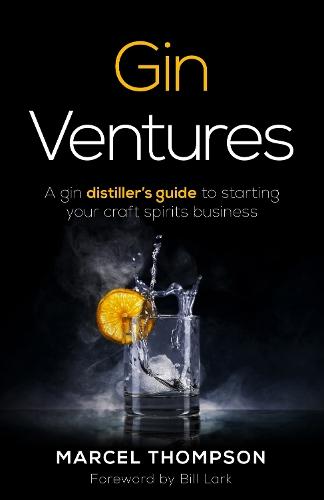
Gin Ventures
A gin distiller's guide to starting...
Paperback
$42.95 $36.64
Not in-store but you can order this
Counter-Cola
A Multinational History of the Global...
Paperback
$66.95 $56.92
Not in-store but you can order this
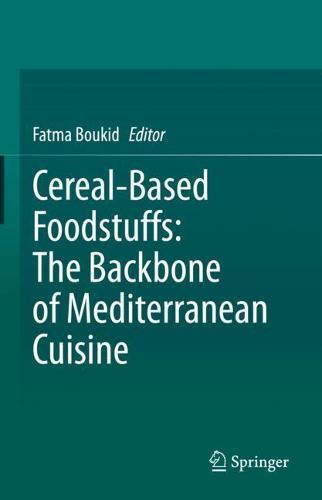
Cereal-Based Foodstuffs
The Backbone of Mediterranean Cuisine...
Hardback
$445.95 $356.62
Not in-store but you can order this
Perfusion Cell Culture Processes...
Process Development, Design, and...
Hardback
$324.95 $259.71
Not in-store but you can order this
Concentration and Power in the Food...
Who Controls What We Eat?
Paperback
$54.99
Not in-store but you can order this
MORE Money for Jam
The Essential Guide to Starting...
Paperback
$53.95 $45.93
Not in-store but you can order this