Beat the rise! Delivery fees are going up soon. INFO


Robert J. foster is Professor of Anthroplogy and Mercer rugler distinguished Teaching Professor at The University of Rochester.
<p> Skillfully navigating the pitfalls of reading soft drinks as either a pat story of unmitigated coca-colonization on the one hand or autonomous local resistance on the other, Foster presents a persuasive case for both the openness and the constraints of the processes he traces. -- Comparative Studies in Society and History <p> This is a great book. It is definitely worth incorporating in your teaching if you are a professor, and in your thinking if you are a human being who cares about people and our environment. Foster pulls together many strands of cultural anthropology to create a compelling story about how soft drink corporations are attempting to take over the world not just in terms of sales but also in terms of government and citizenship. --anthropologyworks.com<p> Neither a politically-correct polemic against corporations nor a paean to the glories of free trade, Coca-Globalization is a thoughtful look at how products can take on extraordinary meaning for human beings and
Christopher Columbus and the Origins...
Paperback
$57.95 $48.95
Not in-store but you can order this
If We Burn
The Mass Protest Decade and the...
Paperback
$26.99
Not in-store but you can order this
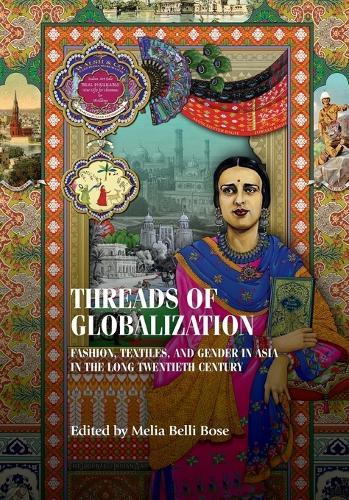
Threads of Globalization
Fashion, Textiles, and Gender in...
Paperback
$68.99
Not in-store but you can order this
The Unmaking of the Middle East...
A History of Western Disorder in...
Paperback
$57.95
Not in-store but you can order this
The Age of Global Change
Culture, Power, and Identity
Paperback
$97.95 $83.64
Not in-store but you can order this