Bargains! PROMOTIONS


Hans Abdiel Harmakaputra is an Assistant Professor of Religion in the Religion, Philosophy & Classics department at Augustana University, Sioux Falls, USA. He received grants and fellowships from the American Academy of Religion, the Wabash Center, and the Louisville Institute. His research areas are Christian-Muslim comparative theology, constructive theology, interreligious studies, and Christian-Muslim relations. He is the author of A Christian-Muslim Comparative Theology of Saints: The Community of God’s Friends (Brill, 2022).
In this carefully researched and engagingly written book, Hans A. Harmakaputra examines the dynamics of Christian Muslim relations in Indonesia since the country’s return to democracy in 1998-1999. He brings rich empirical research and subtle theoretical sophistication to the challenge of pluralist citizenship in this vast and beautiful Asian country. The result is one of the finest books in years on inter-religious relations in Indonesia. This book should be read by scholars and the general reader interested in the challenge of living together in a deeply plural world. -- Robert Hefner, Boston University This remarkable book dismantles simplistic views of religious coexistence, revealing the complex negotiations of faith, power, and identity in Indonesia. Harmakaputra’s analysis is at once scholarly and empathetic, making it indispensable for anyone aspiring to engage in transformative interreligious dialogue rooted in justice, mutual respect, and shared human dignity. This is the kind of scholarship our plural world urgently needs. -- Nadirsyah Hosen, University of Melbourne This book is a timely and insightful contextualization of the often turbulent and complex developments in the post-Suharto era. Harmakaputra gives Christian leaders a voice, revealing the strategies they employed in navigating a shifting religious and political landscape. Particularly valuable is the book’s treatment of key events such as the MUI fatwas targeting minorities, church closings, and blasphemy cases. Harmakaputra brings them into sharp focus and thoughtfully examines their implications for Indonesia’s Christian minorities. -- Pieternella van Doorn-Harder, Wake Forest University With the intellect of a scholar and the heart of a theologian, Dr. Hans A. Harmakaputra traces some of the most difficult episodes of religio-political turbulence in Indonesia since the fall of Suharto’s authoritarian regime. From politicized accusations of blasphemy in the nation's capital to the difficult work of inter-religious reconciliation in the eastern hinterlands, this book examines how religion becomes politicized as well as how Indonesians of all faiths continue to do the difficult, everyday work of living in community. -- James B. Hoesterey, Emory University This book offers a unique socio-political analysis of Muslim-Christian relations in Indonesia. The controversial fatwa issued by MUI, which bans the display of non-Muslim’ symbols, may illustrate the author’s profound disappointment as an Indonesian Christian; nevertheless, he continues in nurturing hope within the challenging task of coexisting with people of different faiths. -- Fatimah Husein, State Islamic University Sunan Kalijaga, and Duta Wacana Christian University
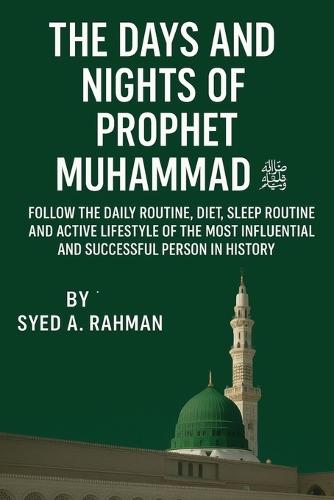
The Days and Nights of Prophet Muhammad...
Follow the Daily Routine, Diet,...
Paperback
$25.95 $23.32
Not in-store but you can order this
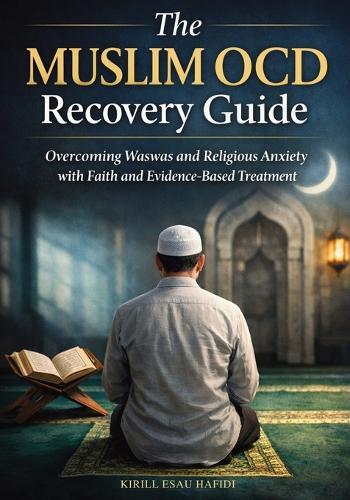
The Muslim OCD Recovery Guide
Overcoming Waswas and Religious...
Paperback
$45.95 $38.68
Not in-store but you can order this
Justice and Beauty in Muslim Marriage...
Towards Egalitarian Ethics and Laws...
Paperback
$54.99
Not in-store but you can order this
Islamic Law in Context
A Primary Source Reader
Paperback
$92.95 $79.39
Not in-store but you can order this
Big Little Steps
A Woman's Guide to Embracing Islam...
Paperback
$44.99
Not in-store but you can order this